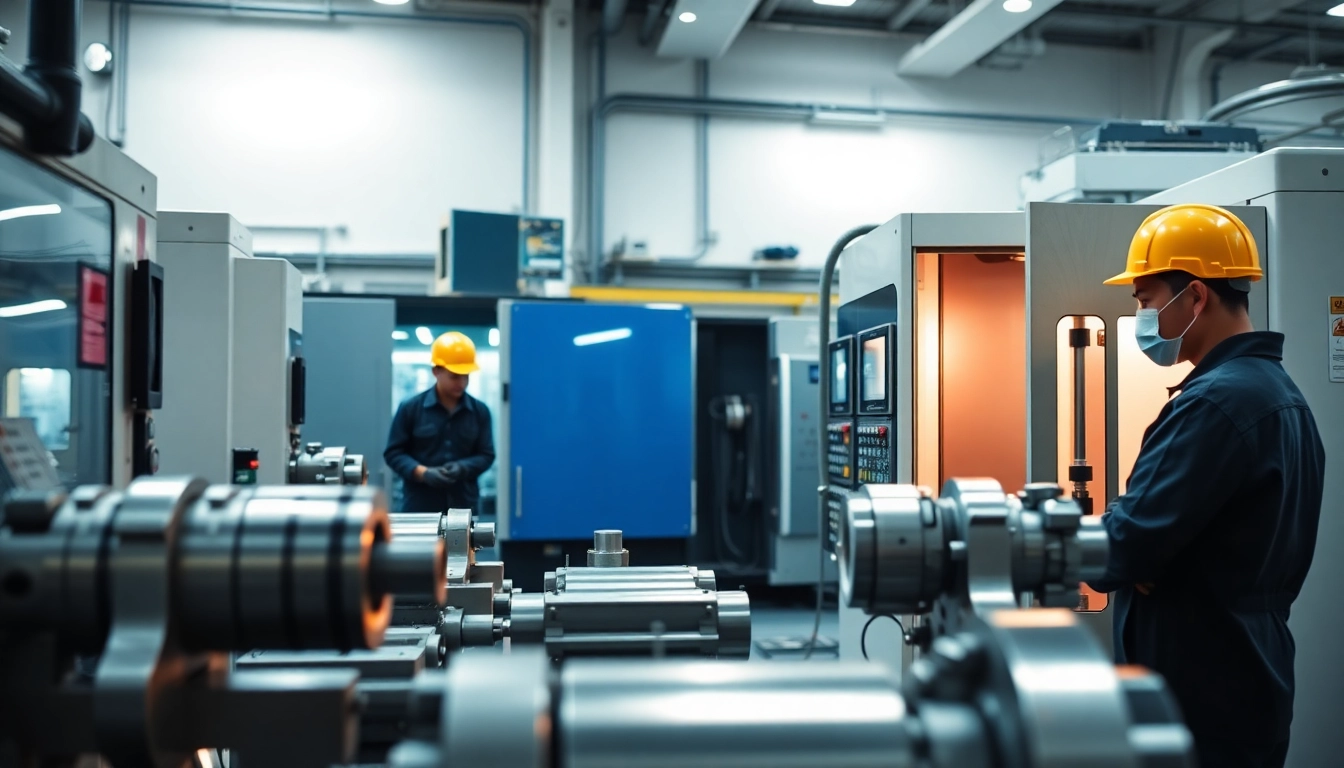
Understanding Precision Machining in Malaysia
Precision machining is a cornerstone of manufacturing, offering the crucial ability to produce intricate components with exact specifications. In Malaysia, the sector has seen substantial growth, driven by advances in technology, a skilled workforce, and the rising demand for high-quality precision components across various industries. As manufacturers aim for excellence, exploring precision machining malaysia reveals insights into the intricacies and innovations shaping the industry.
The Evolution of Precision Machining
The journey of precision machining can be traced back to the Industrial Revolution, where simple tools began evolving into complex machinery capable of producing precise parts. In Malaysia, this evolution has been characterized by the adoption of advanced technologies such as Computer Numerical Control (CNC) machining, which automates manufacturing processes and improves accuracy.
During the early 1990s, the introduction of CNC technology allowed Malaysian manufacturers to transition from traditional machining methods to more sophisticated techniques. This shift not only improved the quality of components but also increased production speeds, allowing businesses to meet the growing demands from sectors such as automotive, aerospace, and electronics.
Key Techniques and Technologies
Modern precision machining encompasses a variety of techniques and technologies, each tailored to specific manufacturing needs. Some of the key methods include:
- CNC Machining: Utilizing computer software to control machine tools, CNC machining enables high precision and repeatability in the production of complex parts.
- Electrical Discharge Machining (EDM): This technique is used for hard materials and intricate shapes, allowing manufacturers to create parts with fine details.
- Laser Cutting: A technology that employs a laser to cut materials, providing clean edges and reducing waste.
- 3D Printing: An emerging technology that allows for rapid prototyping and manufacturing of intricate designs without the need for traditional tooling.
Each of these methods contributes uniquely to the capabilities of Malaysian manufacturers, enabling them to produce high-quality components that meet stringent industry standards.
Importance of Quality Control in Machining
Quality control is paramount in precision machining. It ensures that components not only meet design specifications but also achieve a high level of performance and durability. In Malaysia, businesses are increasingly adopting stringent quality control measures, including:
- Regular inspections during the manufacturing process to identify defects early.
- Utilization of advanced measurement and testing equipment to confirm compliance with specifications.
- Implementation of ISO certifications to standardize processes and enhance quality assurance.
By prioritizing quality control, Malaysian precision machining companies can boost customer satisfaction and build a reputable brand in a competitive market.
Applications of Precision Machining Across Industries
Precision machining has a wide array of applications across different sectors, highlighting its versatility and importance in contemporary manufacturing.
Automotive Industry Innovations
The automotive industry is one of the largest consumers of precision-machined parts. From engine components to transmission systems, the demand for high precision is critical for safety and performance. Malaysian manufacturers have been at the forefront, supplying parts that adhere to international standards, thus facilitating local automotive assembly plants and exports.
Aerospace Precision Components
In the aerospace sector, precision machining is essential for producing parts that must withstand extreme conditions. Lightweight and durable components are crucial for enhancing fuel efficiency and overall aircraft performance. Malaysia’s aerospace precision machining capabilities have garnered attention globally, with companies focusing on research and development to innovate new materials and machining processes.
Electronics and Consumer Goods Manufacturing
With the rapid growth of the electronics and consumer goods sectors, precision machining plays a vital role in the production of components such as circuit boards, enclosures, and connectors. Manufacturers in Malaysia leverage automation and precision machinery to produce high-quality parts that can cater to global electronics brands, ensuring both demand fulfillment and competitive pricing.
Challenges and Solutions in Precision Machining
Despite its advancements, the precision machining industry faces several challenges that require strategic solutions.
Addressing Common Misconceptions
One common misconception is that precision machining is solely for high-value industries. In reality, these techniques can benefit small to medium enterprises by enhancing product quality and operational efficiency across various sectors. Education and outreach are essential to highlight the affordability and accessibility of precision machining technologies for different business sizes.
Balancing Cost and Quality
Cost management is another significant challenge. Manufacturers often struggle with the balance between maintaining quality and minimizing costs. Lean manufacturing techniques can help streamline processes and reduce waste, thereby lowering operational costs while ensuring that quality standards are met.
Overcoming Production Challenges
Production challenges such as equipment downtime and supply chain disruptions can significantly impact efficiency. Adopting predictive maintenance practices and diversifying supply chains can mitigate these risks, ensuring consistent production flows and reducing delays.
Best Practices for Precision Machining in 2025
As the industry evolves, adopting best practices will be vital to stay competitive and efficient.
Implementing Lean Manufacturing Techniques
Lean manufacturing focuses on maximizing value while minimizing waste. Malaysian manufacturers are increasingly implementing these techniques, which involve streamlining operations and enhancing workforce productivity. This results in both cost savings and improved product quality.
Utilizing Advanced Software and Automation
Incorporating advanced software solutions aids in optimizing machining processes. Automation tools can help in managing scheduling, inventory, and production data, leading to more informed decision-making and efficient operations.
Continuous Employee Training and Skill Development
With technology continually evolving, ongoing employee training is crucial. Investing in skill development ensures that machinists and engineers are equipped to handle the latest technologies, enhancing productivity and innovation within organizations.
Future Trends in Precision Machining
The future of precision machining in Malaysia looks promising, with several trends poised to shape the industry.
Incorporating AI and Machine Learning
Artificial Intelligence (AI) and Machine Learning (ML) are making waves across industries, and precision machining is no exception. These technologies can analyze production data to predict machine failures and optimize processes, further enhancing efficiency and output quality.
Emerging Materials and Techniques
As industries demand more advanced materials, precision machining is evolving to accommodate these needs. The use of composite materials and innovative machining techniques allows manufacturers to create lighter, stronger parts that meet stringent performance criteria.
Global Market Trends and Opportunities
The global market for precision machining is expanding, with increasing demand for high-quality components across various sectors. Malaysian manufacturers are well-positioned to capture these opportunities by leveraging their skilled workforce and cutting-edge technology.

