Understanding the Fly Screen Door
What is a Fly Screen Door?
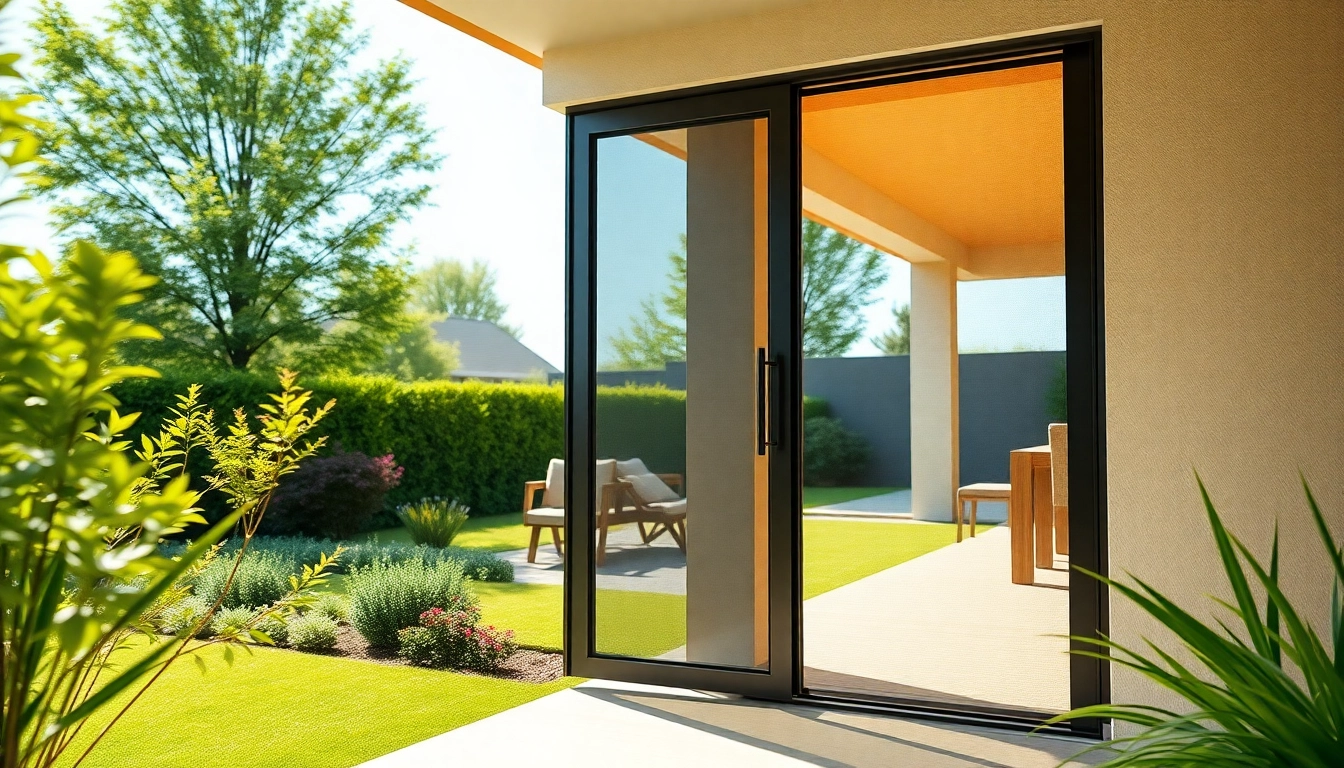
A fly screen door is a type of door accessory designed to cover the entrance, allowing fresh air to circulate while keeping insects, dirt, and debris at bay. Typically made from fine mesh material, a fly screen door can be fitted in various door frames, providing an effective barrier against unwanted pests while enhancing ventilation. Fly screen doors are becoming increasingly popular in residential and commercial spaces, emphasizing not only functionality but also aesthetics.
Key Features of Fly Screen Doors
Fly screen doors are engineered with specific features that enhance their functionality and usability:
- Insect Protection: The primary role of a fly screen door is to provide a barrier against insects, preventing flies and other pests from entering your home.
- Durability: Many fly screen doors are constructed using robust materials that withstand varying weather conditions, thus ensuring longevity.
- Versatile Designs: Available in numerous styles and colors, fly screen doors can match the home’s décor, adding to the overall aesthetic appeal.
- Ease of Use: Modern fly screen doors often incorporate magnetic closures or sliding mechanisms for effortless operation.
- Customizability: They can be tailor-made to fit specific door dimensions, ensuring a perfect fit without gaps.
Types of Fly Screen Doors Available
There are several types of fly screen doors, each catering to different needs and preferences:
- Magnetic Fly Screen Doors: Designed for hands-free access, these doors use magnetic strips to snap back into place after entry.
- Sliding Fly Screen Doors: Ideal for patio or balcony entrances, these screens slide open and closed with minimal effort.
- Hinged Fly Screen Doors: These traditional designs swing open, suitable for standard door frames and typically combined with a sturdy frame for longevity.
- Retractable Fly Screen Doors: Providing a discreet option, these screens can be retracted into a casing when not in use, maintaining the view and aesthetics of the entryway.
Benefits of Installing a Fly Screen Door
Enhanced Indoor Air Quality
One of the significant benefits of installing a fly screen door is the improvement in indoor air quality. By allowing fresh air to circulate freely while blocking airborne pollutants and insects, these doors contribute to a healthier living environment. Enhanced ventilation helps reduce humidity levels, minimizing the growth of mold and mildew, and subsequently improving overall home comfort.
Keeping Insects and Debris Out
Installing a fly screen door effectively keeps unwanted insects like mosquitoes, flies, and other pests outside while allowing cool breezes to enter. This is particularly beneficial in warmer seasons, ensuring that your living spaces remain comfortable and pest-free. The screens also prevent debris such as leaves or dust from blowing in, promoting cleanliness inside your home.
Energy Efficiency and Cost Savings
Energy efficiency is another crucial benefit of fly screen doors. By promoting natural ventilation, they reduce the reliance on air conditioning systems during warmer months. Consequently, homeowners can witness a reduction in energy bills, making fly screen doors not just an excellent addition for comfort but also a cost-effective solution in the long run.
Choosing the Right Fly Screen Door
Measuring for a Perfect Fit
Before purchasing a fly screen door, it’s essential to measure your doorframe accurately. Begin by measuring the width and height of the door opening, taking care to note any obstructions, such as handles or locks. A precise measurement ensures that the screen fits comfortably without gaps, preventing any insects from sneaking through.
Material Options to Consider
Fly screen doors can be made from various materials, each with its advantages:
- Aluminum: Lightweight and durable, aluminum frames offer excellent resistance to rust and corrosion.
- Fiberglass: This material is strong and resistant to bending or denting, offering a reliable long-term solution.
- Stainless Steel: While typically more expensive, stainless steel is ideal for areas exposed to saltwater, providing unmatched durability.
Styles That Suit Your Home
The style of the fly screen door should harmonize with the aesthetics of your home. Consider your existing door design and choose from traditional, contemporary, or custom options that match your tastes. Many fly screen doors come in a variety of colors and finishes, making it easy to find a door that complements your exterior and interior décor.
Installation Tips for Your Fly Screen Door
DIY Installation Steps
Installing a fly screen door can often be a straightforward DIY project. Here are some general steps to guide you:
- Gather Your Tools: You'll need a drill, screws, and a measuring tape.
- Measure and Mark: Use your measurements to mark where the hinges and screen will be attached.
- Install the Frame: Secure the frame using screws, ensuring it’s level and firmly attached.
- Attach the Screen: Fix the screen to the frame, making sure there are no gaps.
- Test the Mechanism: Open and close the fly screen door several times to ensure smooth operation.
When to Consult a Professional
While many individuals may successfully install a fly screen door on their own, there are occasions where professional help is warranted. If the installation involves complicated measurements or structural modifications, or if you're not comfortable using tools, it is advisable to consult a professional. This ensures your fly screen door is securely installed and functions appropriately.
Maintenance Tips for Longevity
To ensure your fly screen door lasts for many seasons, regular maintenance is crucial. Here are some tips:
- Regular Cleanings: Dust and debris can accumulate, so regular cleaning with a soft cloth or vacuum can prolong its lifespan.
- Inspect for Damage: Regularly check for tears or holes in the screen and replace or repair them as needed.
- Hinge and Mechanism Lubrication: Keeping hinges clean and lubricated will help the door open and close smoothly.
FAQs About Fly Screen Doors
How do fly screen doors work?
A fly screen door is designed to allow fresh air to circulate while preventing insects and debris from entering your home.
Are there different sizes for fly screen doors?
Yes, fly screen doors come in multiple sizes and can often be custom-made to fit any door frame.
Can fly screen doors be used for patio entrances?
Absolutely, fly screen doors are ideal for patio areas, providing ventilation while keeping pests at bay.
What maintenance does a fly screen door require?
Regular cleaning and inspection for tears or damage ensure your fly screen door functions effectively over time.
Can I install a fly screen door myself?
Yes, many fly screen doors are designed for easy DIY installation with minimal tools required.
Conclusion
In conclusion, a fly screen door is a versatile and essential addition to any home. Not only does it enhance living spaces by improving air quality and providing pest control, but it also offers energy efficiency and complements various design styles. Whether you opt for a magnetic, sliding, or retractable design, the benefits of a fly screen door are undeniable. Embrace the comfort of fresh air without the intrusion of pests, and consider integrating a fly screen door into your living spaces today.