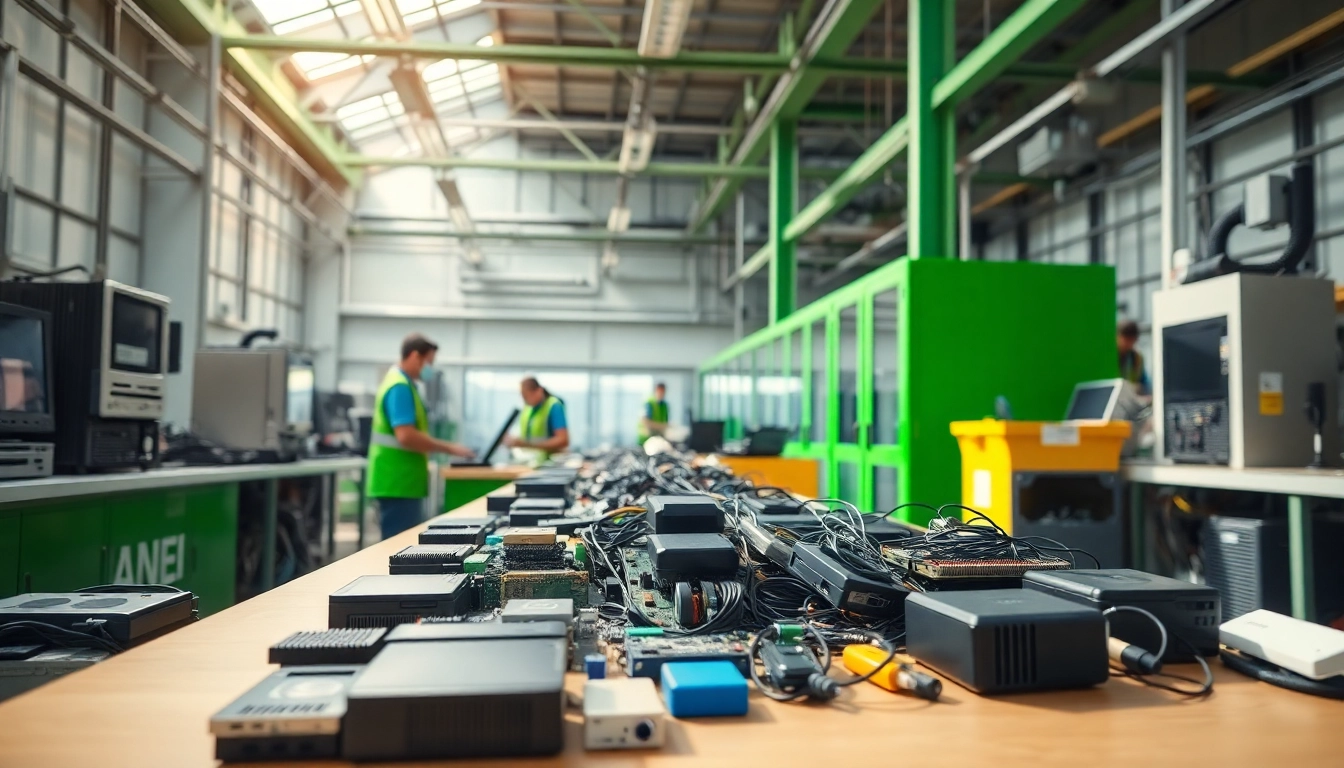
Understanding Computer Recycling Reading
As technology continues to evolve, the disposal of outdated and unused electronic devices becomes a pressing concern. computer recycling reading is a vital practice in ensuring that electronic waste (e-waste) is managed responsibly. This article delves into the essence of computer recycling, its environmental benefits, common misconceptions, and the best practices for recycling in Reading.
What is Computer Recycling?
Computer recycling refers to the process of collecting old, unused, or broken computers and their components, then breaking them down to salvage materials. This process prevents items from ending up in landfills, where they can leak hazardous materials, and reduces the demand for new raw materials. Recycling computers involves several stages, including collection, dismantling, sorting, and retrieving valuable materials such as metals, plastics, and glass.
Environmental Benefits of Recycling
Recycling computers offers numerous environmental benefits:
- Reduces Landfill Waste: Proper recycling diverts e-waste from landfills, minimizing the environmental footprint.
- Conserves Natural Resources: By recycling metals and plastics, the need for new raw materials diminishes, conserving natural resources.
- Decreases Pollution: Recycling reduces the pollution associated with manufacturing new products from raw materials.
- Encourages Sustainable Practices: Promoting recycling fosters a culture of sustainability and environmental responsibility in the community.
Common Misconceptions About E-Waste
Misinformation can hinder effective recycling efforts. Here are some prevalent misconceptions:
- All E-Waste is Dangerous: While some e-waste contains hazardous materials, not all electronics pose a risk. Many can be reused or recycled safely.
- Recycling is Ineffective: In reality, recycling can reclaim over 90% of materials in electronics, significantly reducing the environmental impact.
- It’s Too Complicated to Recycle: Many local programs and services simplify the recycling process, making it easier than ever to participate.
How to Properly Recycle Computers in Reading
Proper recycling requires understanding the steps necessary to ensure that electronics are processed effectively and responsibly. Here’s a step-by-step guide to recycling computers in Reading.
Steps for Effective Recycling
- Assess Your Electronics: Determine which items are outdated or unusable. Check for acceptable devices such as laptops, desktops, monitors, and peripherals.
- Backup Data: Before recycling, ensure that all personal data is backed up and deleted from storage devices to protect your privacy.
- Find a Recycling Facility: Look for local recycling centers that accept electronics. It’s essential to choose facilities that are certified and follow eco-friendly practices.
- Drop Off or Schedule a Pickup: Depending on the facility, you may have options for dropping off your electronics or scheduling a pickup service.
Identifying Acceptable Electronics for Recycling
Understanding what devices and components can be recycled is crucial. Generally, the following electronics can be recycled:
- Laptops and Desktop Computers
- Monitors and Displays
- Printers and Scanners
- Keyboards and Mice
- Mobile Phones and Tablets
- Televisions and Gaming Consoles
Finding Local Recycling Programs
Several avenues exist for finding local computer recycling initiatives in Reading. Resources include:
- Local government websites that list community recycling events or designated drop-off locations.
- Nonprofit organizations that may offer free recycling services and engage in refurbishing electronics for community use.
- Consumer electronics retailers that provide recycling programs for customers looking to dispose of their old electronics.
Community Initiatives for Computer Recycling Reading
Engaging the community is vital for promoting effective recycling practices. By facilitating initiatives within Reading, residents can work towards a sustainable future.
Engaging with Local Programs
Community programs offer opportunities for residents to participate in recycling efforts. These programs may include:
- Seasonal e-waste collection events where residents can safely dispose of their electronics.
- Workshops and seminars that educate citizens about the importance of recycling e-waste and how to do it effectively.
- Collaboration with local schools to create educational campaigns that encourage recycling among students.
Promoting Awareness and Education
Raising awareness about the impact of e-waste and the benefits of recycling is essential. Strategies can include:
- Utilizing social media campaigns to share information on recycling programs and the importance of reducing e-waste.
- Providing resources to residents on how to prepare their electronics for recycling, including data wiping and identifying recyclable components.
- Creating community partnerships with environmental organizations to amplify outreach efforts and educational resources available to the public.
Partnerships for Sustainable Practices
Collaborating with local businesses, schools, and nonprofits can enhance recycling efforts. Examples of collaborative initiatives may include:
- Joint recycling drives that encourage community participation and incentivize recycling through contests or giveaways.
- Integrating recycling education into local curricula so students understand the importance of sustainable practices at an early age.
- Working with businesses to implement internal recycling programs that encourage employees to dispose of e-waste responsibly.
Challenges in Computer Recycling Reading
While recycling offers numerous benefits, several challenges can hinder effective e-waste recycling efforts. Addressing these barriers is critical to improving recycling rates in Reading.
Overcoming Common Recycling Barriers
Barriers to recycling often include:
- Lack of awareness about recycling options.
- Concerns about data security when recycling electronic devices.
- Convenience factors, where recycling facilities may be hard to reach.
Solutions include increasing available information, providing secure data wiping options, and ensuring accessibility to recycling facilities.
Addressing E-Waste Contamination Issues
Improper disposal of e-waste can lead to contamination of soil and water supplies with hazardous materials. To combat this issue:
- Educate the public on the dangers of improper disposal.
- Promote proper recycling channels to ensure hazardous materials are handled and processed correctly.
Legal Regulations Surrounding E-Waste Disposal
Regulations regarding e-waste disposal can differ by region. Understanding local laws ensures compliance and promotes responsible recycling practices. Engaging with local governments can help residents stay informed about any changes in legislation related to electronic waste.
Future of Computer Recycling in Reading
The landscape of computer recycling is continuously evolving as technology advances. Future initiatives will require innovation and collaboration.
Innovative Solutions for Electronic Waste
Consider the following emerging solutions:
- Developing new recycling technologies that more efficiently recover materials from electronics.
- Exploring upcycling options where used electronic products are refurbished for reuse, reducing overall waste.
The Role of Technology in Recycling Efforts
Leveraging technology can enhance recycling efforts:
- Using apps to connect residents with recycling events and nearby facilities.
- Employing tracking systems that monitor e-waste disposal and recycling rates.
Vision for a Greener Community
A collective effort towards sustainability can foster a greener Reading. Local advocacy, community engagement, and educational initiatives can promote the continuous growth of computer recycling efforts, leading to a more environmentally responsible community.
FAQs about Computer Recycling in Reading
What items can be recycled?
You can recycle desktops, laptops, monitors, printers, and mobile devices. Always check local guidelines.
Is there a cost for recycling?
Most recycling programs are free, but some may charge fees for specific items. Verify with your local facility.
How do I ensure my data is secure?
Always back up and securely erase your data before recycling. Many facilities offer data-wiping services.
Can I drop off my electronics anywhere?
Drop-off locations vary by program. Ensure you choose certified recycling centers.
How often are recycling events held?
Local government and organizations hold e-waste recycling events seasonally. Check community calendars for dates.