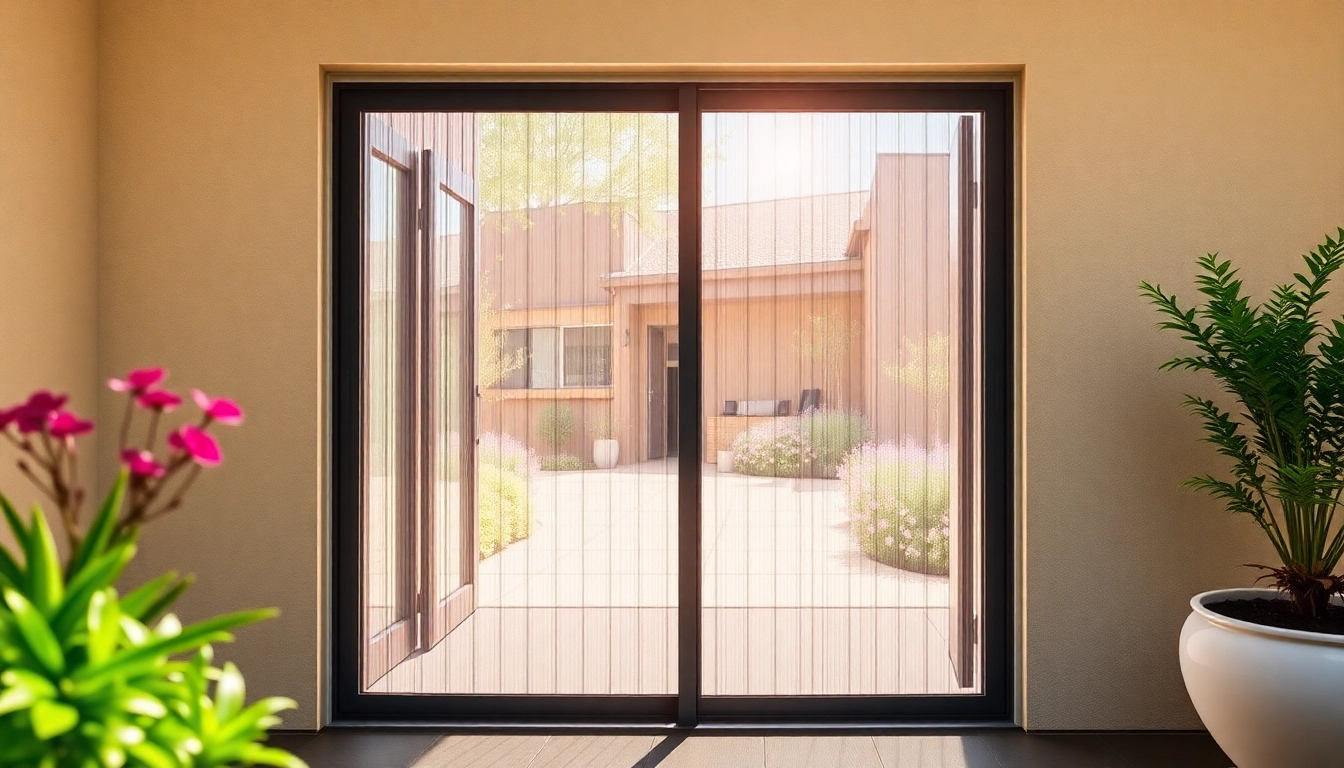
What is a Fly Screen Door?
Definition and Purpose
A fly screen door is a specialized barrier designed to allow fresh air circulation while providing protection from unwanted insects and pests. Constructed from durable mesh materials, this innovative door effectively keeps bugs at bay while facilitating ventilation throughout your space. The purpose of a fly screen door extends beyond just pest control; it also enhances the usability of outdoor spaces, promoting a healthier indoor environment by allowing natural airflow.
Types of Fly Screen Door
There are several types of fly screen doors available in the market today, catering to various user preferences and specific needs. Understanding the differences can help you choose the right option for your home:
- Magnetic Fly Screen Doors: These doors feature magnets along the middle seam, allowing them to automatically close after being pushed open. Ideal for high-traffic areas, they provide hands-free convenience.
- Retractable Fly Screen Doors: These offer a sleek appearance and retract into a casing when not in use, making them a favorite for homeowners prioritizing aesthetics.
- Sliding Pleated Fly Screen Doors: Designed to slide open and close, pleated designs provide flexibility and are great for patio doors or large openings.
- Fixed Fly Screen Doors: As the name suggests, these screens are fixed in place and are ideal for lower-traffic areas.
Common Uses and Applications
Fly screen doors serve various functions across different settings:
- Residential Homes: They protect living areas, kitchens, and dining spaces from insects while allowing breezy airflow.
- Commercial Spaces: Restaurants and cafés use these doors to create pleasant environments while keeping pests out.
- Garage and Utility Rooms: Fly screen doors can also be installed in these areas to keep them ventilated without compromising cleanliness.
- Camping and Outdoor Activities: Many campers use portable fly screen doors for tents and camper trailers to enjoy the great outdoors without disturbances.
Benefits of Installing a Fly Screen Door
Improved Ventilation and Airflow
One of the most significant advantages of having a fly screen door is enhanced airflow in your home. These doors allow you to enjoy natural ventilation without worrying about insects infiltrating your space. Fresh air can help regulate indoor temperatures, reduce humidity, and promote a healthier living environment. Keeping windows and doors open becomes worry-free, optimizing natural airflow in your home.
Protection Against Pests
Fly screen doors serve as a reliable barrier to prevent insects such as flies, mosquitoes, and wasps from entering your home. This is particularly beneficial during warmer months when bugs are more prevalent. By using a fly screen door, you create a protective boundary without the need for chemical sprays or insect traps, which can be harmful to household members and pets.
Enhanced Aesthetic Appeal
Modern fly screen doors come in various styles, colors, and designs that complement the aesthetics of any home. Whether you prefer a minimalist look or a bold statement, there’s a fly screen door suitable for every architectural style. The ability to customize these doors adds not only functionality but also visual appeal, enhancing your home's overall value.
Choosing the Right Fly Screen Door
Material Options
When selecting a fly screen door, the material is a key consideration. Common materials include:
- Fiberglass: Durable and resistant to corrosion, fiberglass meshes provide excellent visibility and airflow.
- Aluminum: Known for its strength, aluminum frames are very durable and ideal for high-traffic areas.
- PVC: Lightweight and cost-effective, PVC offers practicality while still serving its purpose effectively.
Size and Customization
Customization is another critical factor; fly screen doors can be made to fit a range of door sizes. Measure your door frame accurately before making a purchase. This ensures the fly screen door fits perfectly without gaps, which could allow pests to enter.
Color and Design Considerations
Colors and designs should be harmonized with your home’s overall aesthetic. A well-chosen design can enhance your home’s decor while offering functionality. Whether you desire classic black or innovative colors, there are plenty of options available that blend seamlessly with your home's architecture.
Installation Process for a Fly Screen Door
Tools and Materials Needed
Before you begin the installation of a fly screen door, gather the necessary tools and materials, which may include:
- Screwdriver
- Measuring tape
- Level
- Mounting brackets (if not included)
- Fly screen door kit
Step-by-Step Installation Guide
- Measure Your Door Frame: Ensure accurate measurements for a perfect fit.
- Prepare the Area: Clean the door frame and remove any previous fixtures.
- Assemble the Door: Follow the manufacturer's instructions to assemble the fly screen door.
- Mount the Door: Use screws and mounting brackets to secure the door in place carefully.
- Test Functionality: Open and close the door to ensure it operates smoothly without obstruction.
Tips for a Perfect Fit
To ensure a perfect fit and optimal functionality:
- Double-check measurements to avoid any gaps.
- Ensure the frame is leveled to prevent slippage.
- Inspect the hardware before final installation for any defects.
Maintenance and Care for Fly Screen Doors
Cleaning Tips
Regular cleaning of your fly screen door enhances its longevity and performance. Simply wipe down the mesh with a damp cloth and mild detergent. This removes dirt and allergens that might accumulate over time, maintaining clear visibility and airflow.
Repairs and Upkeep
Inspections for holes or tears in the screen should be routine. Minor damages can often be repaired with screen repair tape or mesh patches. For larger tears, consider replacing the mesh material to prevent pests from entering.
When to Replace Your Fly Screen Door
If your fly screen door shows signs of significant wear, damage, or failure to function correctly (like difficulty in opening or closing), it may be time for a replacement. Maintaining the integrity of your screen is essential to ensuring optimum airflow and pest protection.
Frequently Asked Questions
1. How do I measure my door for a fly screen?
Measure the height and width of your door frame. Ensure measurements are taken accurately from various points for the best fit.
2. Can I install a fly screen door myself?
Yes, installing a fly screen door often requires basic tools and is manageable as a DIY project with a clear guide.
3. Are fly screen doors effective against all insects?
Fly screen doors effectively block most common insects, including flies and mosquitoes, while allowing airflow.
4. How often should I clean my fly screen door?
Cleaning your fly screen door every few months is recommended to maintain its appearance and functionality.
5. Where can I find replacement parts for fly screen doors?
Replacement parts can often be found online or at local hardware stores that sell fly screen doors or kits.