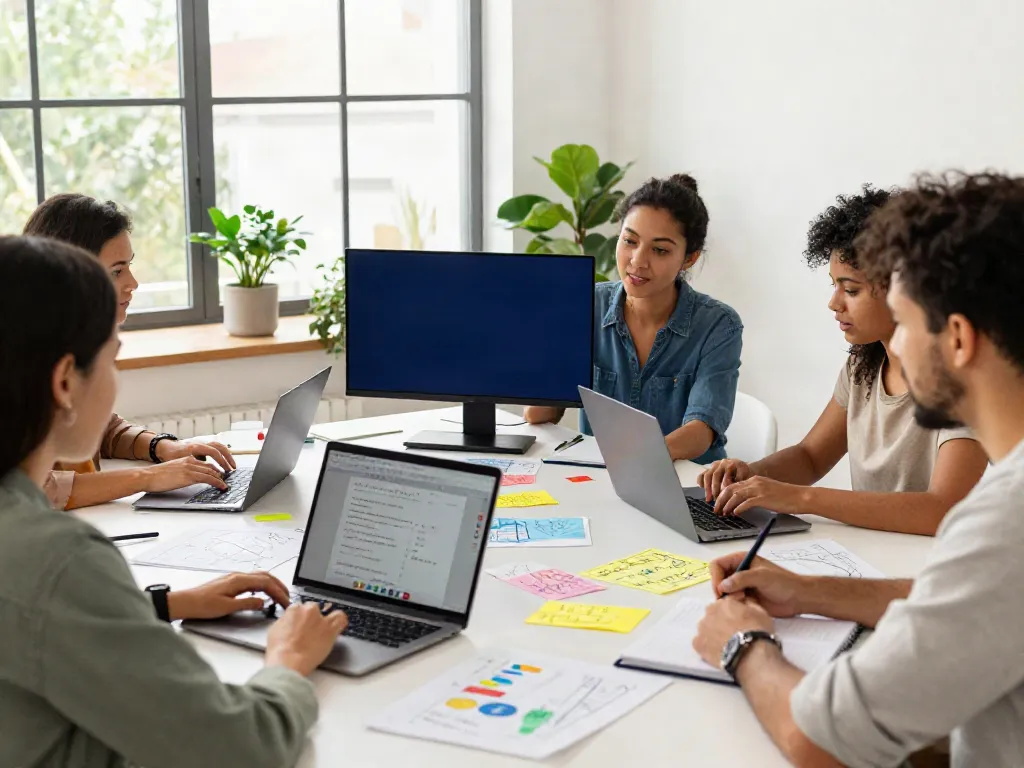
Understanding the Importance of Collaborative Learning
As the modern workplace evolves, the way organizations approach learning also shifts. Collaborative learning has emerged as a critical strategy that fosters teamwork, enhances problem-solving skills, and boosts knowledge retention. In today’s fast-paced and interconnected professional environment, the ability to learn from one another is not merely beneficial—it’s essential. By implementing effective collaborative learning strategies, companies can harness the potential of their workforce, leading to innovative solutions and improved performance. For organizations looking to advance their learning initiatives, learn more here about how to create an environment conducive to collaboration and growth.
Defining Collaborative Learning in Today’s Context
Collaborative learning is an educational approach that involves groups of individuals working together to solve problems, share knowledge, and achieve common goals. Unlike traditional learning environments, which often emphasize individual achievement, collaborative learning focuses on the synergy created when diverse perspectives come together. This concept draws on principles from social learning theory, where people learn best in social contexts that encourage interaction and feedback.
Why Learning Together Enhances Knowledge Retention
Cognitive science supports the idea that learning is more effective when it is collaborative. Studies show that learners who engage in group activities retain information longer and have a deeper understanding of the material. This is due, in part, to the discussions that arise within the group, which allow for the clarification of concepts, exploration of different viewpoints, and reinforcement of knowledge. Moreover, collaborative learning promotes critical thinking and creativity, as learners must articulate their ideas, challenge one another, and negotiate solutions.
Common Misconceptions About Group Learning
Despite its benefits, collaborative learning is often misunderstood. One common misconception is that it leads to unequal participation, where some members dominate discussions while others contribute little. However, effective facilitation can ensure that all voices are heard, and techniques such as assigning specific roles can help balance participation. Another misconception is that group work detracts from individual accountability. In reality, well-structured collaborative activities can enhance individual responsibility by making learners accountable to their peers.
Strategies to Implement Collaborative Learning Effectively
To reap the full benefits of collaborative learning, organizations must implement thoughtful strategies. This includes designing learning experiences that promote collaboration, providing the right tools, and creating a supportive environment.
Best Practices for Facilitating Group Engagement
- Set Clear Objectives: Clearly defined goals help groups understand what they are working towards and encourage focus.
- Encourage Diverse Teams: Mix members from different backgrounds, skills, and experiences to enhance creativity and problem-solving capabilities.
- Foster Open Communication: Create an environment where team members feel safe sharing ideas without fear of judgment.
- Utilize Structured Activities: Use frameworks such as Think-Pair-Share or jigsaw activities that guide interaction and ensure equal participation.
Tools and Technologies to Enhance Learning Experiences
In a digital age, leveraging technology can significantly enhance collaborative learning. Tools such as collaborative platforms (e.g., Google Workspace, Microsoft Teams) allow learners to work together seamlessly, regardless of their location. Additionally, project management tools (like Trello or Asana) can help teams stay organized and accountable. Video conferencing software, such as Zoom or Microsoft Teams, is vital for remote collaboration, ensuring that learners can engage and collaborate just as effectively as they would in person.
Measuring Success in Collaborative Learning Environments
Measuring the effectiveness of collaborative learning initiatives is crucial for continuous improvement. Organizations should establish metrics that reflect both group performance and individual learning outcomes. Surveys and feedback forms can provide valuable insights into participants' experiences and perceived value. Additionally, assessments that require collaborative efforts, such as group presentations or projects, can help gauge understanding and effectiveness.
Addressing Challenges in Collaborative Learning
While collaborative learning offers numerous benefits, it also poses challenges. Recognizing and addressing these obstacles is essential for maximizing the effectiveness of group learning initiatives.
Overcoming Resistance to Group Learning
Some team members may resist group learning due to past negative experiences or personal preferences for individual work. To combat this resistance, it is essential to communicate the benefits of collaborative learning effectively. Highlighting success stories and demonstrating how collaboration can lead to better outcomes can help shift attitudes. Creating a supportive atmosphere where team members feel comfortable expressing their concerns and preferences can also enhance buy-in.
Managing Diverse Learning Preferences in Teams
Teams often consist of individuals with varying learning styles, preferences, and backgrounds. To accommodate diverse learning needs, facilitators should employ a range of instructional methods. Incorporating visual, auditory, and kinesthetic learning activities ensures that all team members can engage meaningfully. Additionally, providing options for how individuals contribute—whether through discussion, writing, or digital collaboration—can help each member shine according to their strengths.
Handling Conflicts and Encouraging Inclusivity
In collaborative settings, conflicts may arise due to differing opinions, competition, or communication breakdowns. Effective leaders should foster a culture of inclusivity, encouraging respect for diverse perspectives and promoting active listening. Implementing conflict resolution strategies, such as mediation or structured dialogue, can help teams navigate disputes constructively. By prioritizing a safe and respectful environment, organizations can enhance collaborative learning experiences.
Real-World Applications of Collaborative Learning
The principles of collaborative learning extend across various industries, showcasing its versatility and impact on professional development and organizational success.
Case Studies of Successful Collaborative Learning Initiatives
One notable example is Google, which emphasizes collaboration in its corporate culture. The company utilizes cross-functional teams to drive innovation, combining expertise from various departments. Their famous "20% time" policy allows employees to work on personal projects, fostering a culture where collaborative learning flourishes. This has led to the development of successful products like Gmail and Google News.
Industry-Specific Examples of Group Learning Benefits
In healthcare, collaborative learning is crucial for improving patient outcomes. Interdisciplinary teams comprising doctors, nurses, and other healthcare professionals collaborate to share insights and provide comprehensive care. Research indicates that hospitals utilizing collaborative approaches have lower readmission rates and improved patient satisfaction.
Adapting Collaborative Learning for Remote Teams
As remote work continues to rise, organizations must adapt collaborative learning strategies for virtual settings. Establishing regular check-ins, using breakout rooms for smaller discussions, and fostering a sense of community through virtual team-building activities can help maintain engagement and productivity. Successful remote teams often employ asynchronous collaboration tools, allowing team members in different time zones to contribute meaningfully at their own pace.
The Future of Collaborative Learning: Trends to Watch in 2026
Looking ahead, collaborative learning is poised to evolve further, driven by emerging technologies and changing workforce dynamics. Organizations must stay informed about trends that will shape the future of this approach.
Emerging Technologies Shaping Collaborative Learning
Virtual Reality (VR) and Augmented Reality (AR) technologies are set to transform collaborative learning by providing immersive training experiences. These tools can simulate real-world scenarios, enabling learners to engage in hands-on practice in a safe environment. Additionally, Artificial Intelligence (AI) can facilitate personalized learning experiences, adapting content to meet individual needs while enhancing group interactions.
Future Skill Sets and Their Relevance to Team Learning
As the workforce evolves, so do the skills necessary for success. Future employees will need to excel in adaptability, emotional intelligence, and collaboration. Organizations should prioritize training that fosters these skills, ensuring that teams can work effectively together to navigate an increasingly complex landscape.
Preparing for a Collaborative Learning Landscape in 2026
Organizations looking to thrive in 2026 must invest in collaborative learning frameworks that emphasize flexibility and inclusivity. Continuous learning opportunities will be paramount, with a focus on creating environments that encourage innovation and knowledge sharing. By doing so, companies can unlock the full potential of their teams and remain competitive in an ever-changing market.
What are the benefits of collaborative learning?
Collaborative learning enhances knowledge retention, promotes critical thinking, and fosters a sense of community among team members. By working together, individuals can share diverse perspectives, leading to more creative solutions and a deeper understanding of the subject matter.
How can I implement collaborative learning in my organization?
Start by assessing your organization's learning objectives and the needs of your team. Implement structured group activities with clear goals and provide the necessary tools and resources to facilitate collaboration. Encourage open dialogue and create a culture of inclusivity where all team members feel valued.
What tools support online collaborative learning?
Tools such as Google Workspace, Microsoft Teams, and Slack can enhance online collaborative learning experiences. These platforms enable file sharing, real-time communication, and project management, making it easier for teams to collaborate effectively, regardless of their location.
How do you measure the success of learning initiatives?
To measure the success of learning initiatives, establish clear goals and metrics. Use surveys, quizzes, and feedback forms to assess participant engagement and knowledge retention. Analyze group projects or performance outcomes to evaluate the effectiveness of collaborative efforts.
What challenges can arise in collaborative learning environments?
Challenges in collaborative learning environments can include unequal participation, resistance to group work, and conflicts among team members. Effective facilitation, open communication, and conflict resolution strategies can help address these issues and enhance group dynamics.