
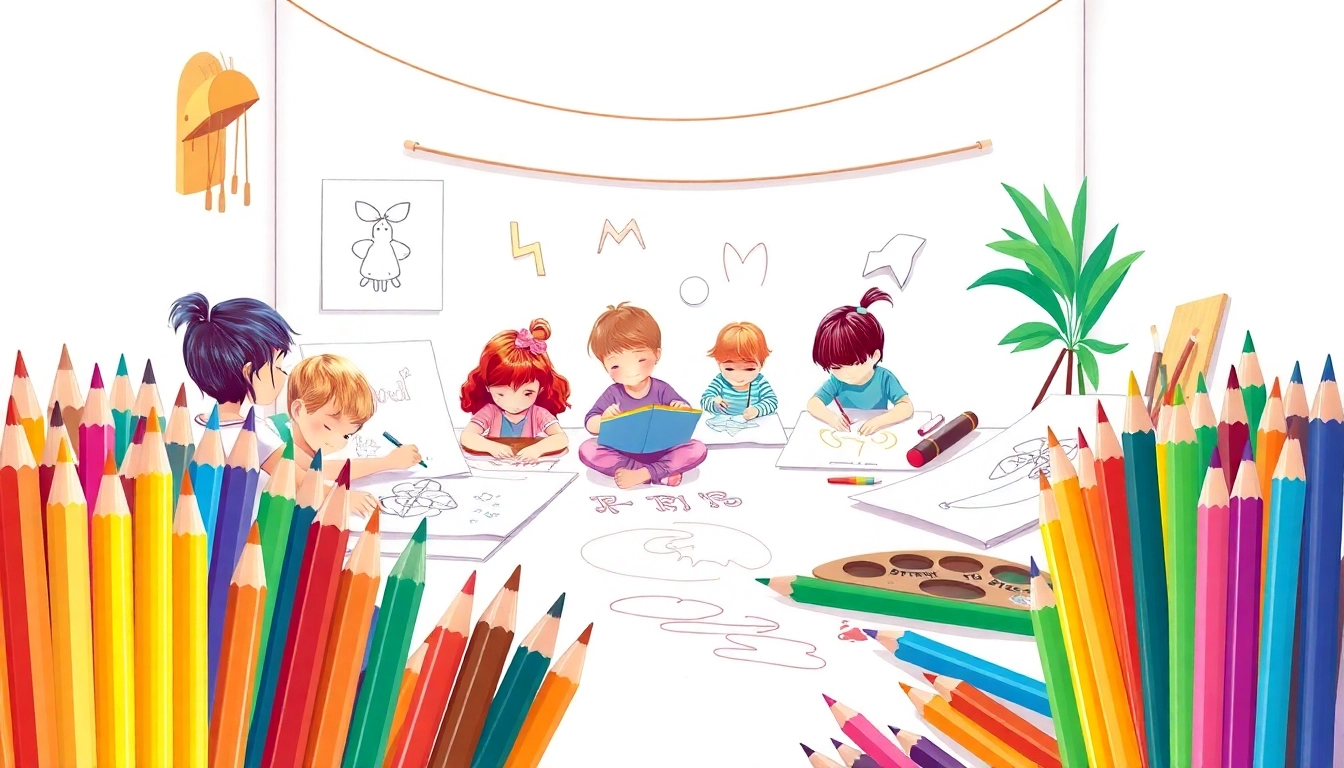
Introduction to Kids Colouring Pencils
Colouring is more than just a fun pastime for children; it plays a vital role in their cognitive, emotional, and creative development. One essential tool in this artistic journey is the kids colouring pencils. These pencils are specially designed for young hands and minds, combining vibrant colors with ease of use, making them ideal for both beginner and experienced young artists. This comprehensive guide will delve into the world of kids colouring pencils, exploring their types, benefits, and the best practices to maximize their use.
What Are Kids Colouring Pencils?
Kids colouring pencils are specially crafted drawing tools that differ from standard coloured pencils in various aspects such as size, grip, and pigmentation. Typically made with softer leads, these pencils allow for smoother application of color, catering specifically to children's creative needs. Their design often includes ergonomically shaped barrels that are comfortable for small hands to hold, making them ideal for toddlers and older children alike. Moreover, they come in a wide range of colors, allowing for expressive artistic creation.
Benefits of Using Kids Colouring Pencils
Utilizing kids colouring pencils offers numerous benefits that extend beyond mere recreation:
- Enhancing Fine Motor Skills: The act of gripping and using colouring pencils helps children develop their fine motor skills, crucial for tasks such as writing and dexterity.
- Boosting Creativity: Colouring encourages kids to explore their imagination. It allows them to express themselves freely, experimenting with various colours and patterns.
- Improving Concentration: Engaging in colouring activities can help improve a child's focus and attention span. It fosters mindfulness as they work on their projects.
- Social Interaction: Colouring can be a collaborative activity. Children can share their pencils and ideas, learning teamwork and communication skills.
- Therapeutic Effects: For many children, colouring serves as a calming activity that alleviates stress and anxiety, providing a healthy outlet for emotional expression.
Different Types of Kids Colouring Pencils
Kids colouring pencils can broadly be categorized into several types, each designed to meet various needs and preferences:
- Wax-based Pencils: These are usually affordable and provide vibrant colours. However, they may not blend as well as others.
- Oil-based Pencils: These pencils have a harder lead and offer a longer-lasting, richer colour payoff. They're great for detailed work.
- Water Soluble Pencils: These pencils can be used dry or with water to create beautiful watercolour effects, offering versatility for artistic expression.
- Gel Pencils: Known for their smooth application and shiny finish, gel pencils add a unique flair to artwork, although they may require more pressure when applied.
Choosing the Right Kids Colouring Pencils
Factors to Consider When Buying
Selecting the right colouring pencils can make a significant difference in a child's artistic experience. Here are some factors to keep in mind:
- Age Appropriateness: Always consider the child’s age. Younger children may require thicker, easier-to-grip pencils, while older kids might prefer traditional sizes.
- Non-Toxic Materials: Opt for brands that guarantee non-toxic materials. This is crucial for children's safety, especially if they have a tendency to mouth objects.
- Quality of Pigmentation: Look for pencils that provide vibrant colours and smooth application. Quality can significantly impact a child's overall enjoyment.
- Longevity and Durability: Pencils should be durable enough to withstand the inevitable dropping and rough handling by kids. A break-resistant design is desirable.
Popular Brands for Kids Colouring Pencils
Several brands have established themselves as favorites among parents and educators when it comes to kids colouring pencils:
- Crayola: Renowned for their quality and vibrant colours, Crayola pencils are often the go-to choice for many families. Their formulation offers smooth application, making them perfect for beginners.
- Faber-Castell: Offering a variety of high-quality options, Faber-Castell offers both student-grade and artist-quality pencils, providing versatility for different skill levels.
- Prang: This brand is praised for its rich pigments and affordability, making it accessible for classrooms and individual use.
- Lyra: Known for their innovative designs and focus on sustainability, Lyra pencils are a great choice for eco-conscious families.
Price Ranges and Quality
The price of kids colouring pencils can vary widely based on quality, brand, and features. Here’s a brief breakdown:
- Budget Options ($5 - $15): Ideal for casual use and beginners. These may include smaller sets from brands like Prang and Crayola.
- Mid-Range Options ($15 - $30): Great midrange products often from Faber-Castell or Lyra, which balance quality and cost effectively.
- Premium Options ($30 and above): These are typically artist-quality pencils or larger sets that offer a vast range of colours and durability, that are ideal for older children or those serious about art.
Best Practices for Kids Colouring Pencil Usage
How to Hold a Colouring Pencil Properly
Teaching kids the correct way to hold a colouring pencil is essential for developing good drawing habits:
- Grip: Encourage children to hold the pencil with their thumb and index finger, using the middle finger for support.
- Angle: Teach them to keep the pencil at a slight angle to the paper for better control and pressure.
- Relaxed Hand: Encourage a relaxed grip to avoid fatigue and allow for smoother, more fluid strokes.
Creative Techniques for Beginners
To inspire creativity and technique development among children, introduce them to various colouring techniques:
- Blending: Show them how to layer colours gradually to create gradients.
- Cross-Hatching: Encourage experimentation with this technique to add texture and depth to their drawings.
- Stippling: Teach them to create images by dotting the pencil on different areas for unique effects.
- Shading: Kids can learn to apply pressure differently with their pencils to produce lighter or darker shades.
Common Mistakes to Avoid
While developing skills, it’s essential to be aware of common pitfalls:
- Pressing Too Hard: This often leads to breaking pencils and creating uneven colour. Encourage them to apply gentle pressure.
- Not Experimenting: Avoid letting them stick to one technique. Encourage trying various methods and colours.
- Neglecting to Take Breaks: Long colouring sessions without breaks can lead to frustration. Remind them to step away and return with fresh eyes.
Fun Activities with Kids Colouring Pencils
Inspiring Coloring Projects
Engaging projects can bring kids’ colouring pencil experiences to life. Here are a few ideas:
- Coloring Books with Themes: Create or purchase themed colouring books focusing on animals, nature, or favorite characters.
- Personalised Cards: Encourage kids to create greeting cards for family members and friends that use their own designs and colours.
- Art Collages: Provide scrap materials and let them draw on surfaces they can cut out and assemble into collages.
Collaborative Drawing Exercises
Art can be a social activity! Collaborative drawing exercises can foster teamwork and creativity:
- Pass the Paper: Kids take turns adding to a single drawing on a shared sheet of paper.
- Group Mural: Create a large mural on a wall or long sheet of paper that multiple children contribute to.
- Story Illustration: As a group, narrate a story and divide creative representation among the kids for different scenes.
Art Challenges for Kids
Art challenges can stimulate creativity and provide a sense of achievement:
- Daily Prompt Challenge: For a set period, provide a daily theme or prompt for them to interpret artistically.
- Timed Drawing: Kids have 10-15 minutes to draw something based on a prompt, helping them to think quickly and creatively.
- Theme Weeks: Organize sessions focusing on specific themes like 'animals' or 'fantasy creatures' to maintain engagement.
Maintenance and Care for Kids Colouring Pencils
How to Sharpen Kids Colouring Pencils
Proper sharpening techniques can prolong the life of colouring pencils:
- Pencil Sharpeners: Use quality sharpeners that don’t break or damage the pencils. There are manual and electric options suited for kids.
- Knife Sharpening: Older children may be ready to learn how to sharpen pencils with a craft knife for precise points—ensure adult supervision.
Storage Solutions for Longevity
Keeping colouring pencils organized and in good condition is crucial:
- Pencil Cases: Invest in a sturdy pencil case that keeps pencils organized and protected from damage.
- Vertical Storage: Store pencils upright in jars or holders to prevent breakage and keep colors visible.
- Clean Area: Always encourage kids to return pencils to their designated places to avoid misplacement or loss.
When to Replace Your Kids Colouring Pencils
Knowing when to replace pencils can enhance the colouring experience:
- Broken Leads: It's time to replace pencils that frequently break or cannot be sharpened anymore.
- Poor Colour Quality: If the colour application is uneven or dull, it might be an indication that a replacement is needed.
- Outdated Supplies: If kids outgrow certain types or brands, it may be beneficial to invest in higher-quality options for their developing skills.
In conclusion, kids colouring pencils are a fantastic tool that can greatly enhance children's creative experiences. By considering the variety available and understanding their needs, you can select the most appropriate colouring tools while ensuring the best practices for usage and care. This guide should empower both parents and guardians to foster creativity and artistic expression in young children confidently.