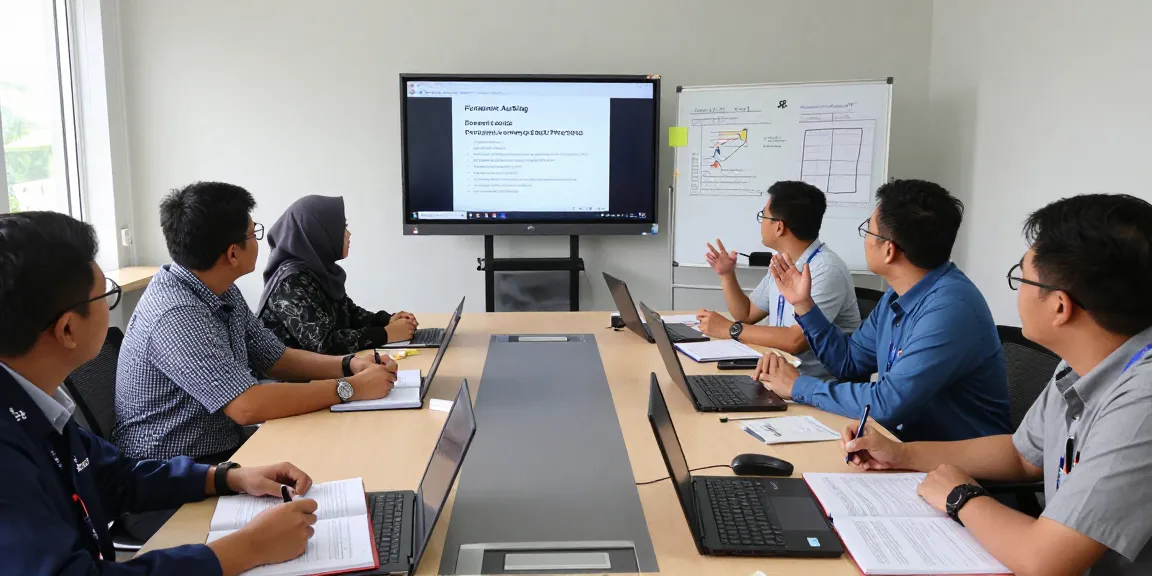
The Role of a Private Security Bodyguard
In today's world, personal safety has become a paramount concern for many individuals and organizations alike. Hiring a private security bodyguard can provide a layer of protection that is personalized, reliable, and often essential for those in the public eye or anyone facing potential threats. Understanding the depth of a bodyguard’s role is crucial for evaluating the need for such a service and ensuring the right fit for personal security needs.
Understanding the Duty of Care
The concept of duty of care refers to the legal and moral obligation of the bodyguard to ensure the safety of their client. This responsibility encompasses various aspects, such as physical protection, threat assessment, and risk management. A bodyguard must be well-trained to identify potential threats and act accordingly, adapting to dynamic situations that may arise. This aspect highlights the importance of selecting a bodyguard who understands the legalities and ethical implications of their role while being fully prepared to address emergencies.
Key Skills and Qualifications
A competent private security bodyguard must possess a diverse skill set to perform effectively. Some of the key qualifications include:
- Physical Fitness: Bodyguards need to maintain high levels of physical fitness, as their role may require evasive maneuvers and rapid responses to danger.
- Training in Weapons: Proficiency in weaponry and self-defense techniques is essential for armed bodyguards.
- First Aid and CPR Certification: In emergencies, bodyguards should be able to provide immediate medical care.
- Situational Awareness: This skill allows bodyguards to understand their environment and identify potential threats before they escalate.
- Communication Skills: Effective communication is vital for coordinating protection strategies and conveying crucial information to clients.
Types of Security Services Available
Private security bodyguards come with varied specialization to cater to different security needs. Some common types of services include:
- Close Protection: Providing personal protection to high-profile individuals, such as celebrities or politicians.
- Event Security: Ensuring the safety of guests and staff during public or private events.
- Residential Security: Enhancing safety measures around homes or estates for wealthy individuals or families.
- Corporate Protection: Securing executives and employees during business trips or at the workplace.
Assessing Your Security Needs
Before hiring a private security bodyguard, it’s essential to conduct a thorough assessment of your security needs. This process involves evaluating potential risks and understanding the specific security objectives you wish to achieve.
Identifying Risks and Threats
Conducting a risk assessment requires you to identify potential threats that may impact your safety. This analysis can range from personal threats, such as stalking or harassment, to broader security concerns involving cyber threats or physical attacks. Contracting with a security consultant can be beneficial in pinpointing these risks accurately.
Setting Clear Objectives
Once risks are identified, setting clear objectives for your private security bodyguard is vital. Your goals may vary from complete protection at public appearances to discreet surveillance during day-to-day activities. By delineating your objectives, you give potential bodyguards a clear framework within which to operate, making it easier for them to tailor their services accordingly.
Determining Budget and Resources
Understanding your budget and available resources will shape your decisions regarding the hiring of bodyguards. Security costs can vary significantly based on the level of expertise, type of service, and duration required. It's essential to strike a balance between the level of service needed and what you can afford without compromising safety.
How to Choose a Private Security Bodyguard
The process of selecting the right private security bodyguard can significantly influence your overall safety and tranquility. Following a systematic approach can help ensure you make an informed decision.
Hiring Criteria to Consider
When evaluating potential candidates, several factors should influence your selection criteria:
- Experience: Look for bodyguards with a proven track record in personal security, especially in similar scenarios.
- Certifications: Confirm that candidates hold necessary certifications from recognized training institutions.
- Compatibility: The bodyguard’s personality should mesh well with your own, especially if you will be working closely together.
- Reputation: Seek recommendations or read reviews to gauge previous clients’ satisfaction with their services.
Interviewing Potential Candidates
The interview process is your opportunity to gauge the prospective bodyguard’s qualifications, experience, and overall demeanor. Prepare a list of questions that relate to situational responses, previous experiences with threats, and their approach to personal safety. Additionally, this is the time to assess their communication skills and professionalism—a vital aspect of working together effectively.
Checking References and Background
Once you have shortlisted potential candidates, it’s crucial to conduct thorough background checks. Request references and reach out to previous employers to confirm their experience and reliability. Look for any red flags in their employment history, particularly concerning legal or professional conduct.
Hiring vs. Training Your Own Security Personnel
Another critical decision to address is whether to hire experienced bodyguards or train your own personnel. Both avenues have their distinct advantages and considerations.
Pros of Hiring Experienced Bodyguards
Opting to hire experienced bodyguards brings immediate benefits, such as:
- Expertise: Seasoned professionals have the insights and skills developed through real-world experiences.
- Quick Deployment: Hiring someone with past experience requires less initial training, allowing for quicker adaptation to your security needs.
- Networking: Established bodyguards may have connections in the security industry, offering additional resources when required.
Benefits of In-House Training Programs
Conversely, training your own staff offers unique advantages:
- Tailored Training: You can customize training programs to meet specific security needs and scenarios relevant to your situation.
- Team Cohesion: Building a security team from within can foster better interpersonal dynamics and a shared understanding of objectives.
- Cost-Effectiveness: In some cases, training your own personnel can be more economical over the long term.
Cost Considerations for Both Options
When weighing the financial implications of hiring versus training, consider the initial costs versus long-term investments. Hiring experienced bodyguards often carries higher upfront costs but can lead to savings in other areas, such as reduced risk of incidents. In contrast, while training may involve lower initial expenditures, it demands commitment and resources that can extend over time.
Enhancing Your Personal Security Strategy
Your personal security strategy should incorporate both human and technological resources, tailored to your specific safety objectives.
Integrating Technology with Human Security
Modern security is increasingly reliant on technology. Integrating systems like surveillance cameras, biometric access controls, and alarm systems can supplement the efforts of your private security bodyguard. Technology can enhance situational awareness, provide real-time alerts, and facilitate quicker responses to potential threats.
Emergency Protocols and Response Plans
Creating clear emergency protocols is vital. Your private security bodyguard should be familiar with these plans to ensure quick and effective responses to incidents. Regular drills and updates can help maintain readiness, minimizing panic and confusion during actual emergencies.
Ongoing Assessment and Adjustments
Security needs continually evolve, making it essential to reassess strategies regularly. Annual reviews of your security measures, assessments of risks, and adjustments to objectives should be conducted. Engaging your private security bodyguard in these discussions can lead to improved strategies and a heightened sense of security.
Frequently Asked Questions
What is the primary role of a private security bodyguard?
The primary role of a private security bodyguard is to ensure the safety and security of individuals from potential threats through risk assessment, physical protection, and emergency response.
How do I assess my security needs?
Assess your security needs by identifying potential risks, setting clear protective objectives, and determining your budget and available resources.
What qualifications should I look for in a bodyguard?
Look for qualifications such as experience in personal security, relevant certifications, situational awareness, physical fitness, and effective communication skills.
Should I hire a bodyguard or train my own staff?
Hiring an experienced bodyguard offers immediate expertise, while training your staff allows for tailored security measures that fit specific needs. Both options have pros and cons.
How can technology enhance my personal security?
Technology can enhance your personal security through surveillance systems, alarms, and communication tools, complementing the efforts of your security personnel for safety improvements.