Understanding DMT and Its Natural Sources
What is DMT?
N,N-Dimethyltryptamine, commonly known as DMT, is a powerful psychedelic compound primarily found in various plant species. As a member of the tryptamine family, it is structurally similar to neurotransmitters like serotonin. DMT is primarily recognized for its intense and short-lived hallucinogenic effects, often described as a profound alteration of consciousness, inducing vivid visual and auditory experiences. Some individuals report sensations of encountering otherworldly beings or deep introspective insights during their experiences. These effects, occurring within minutes after ingestion, typically last less than an hour when smoked or vaporized, making DMT distinct from longer-lasting psychedelics like psilocybin or LSD.
Natural Sources of DMT
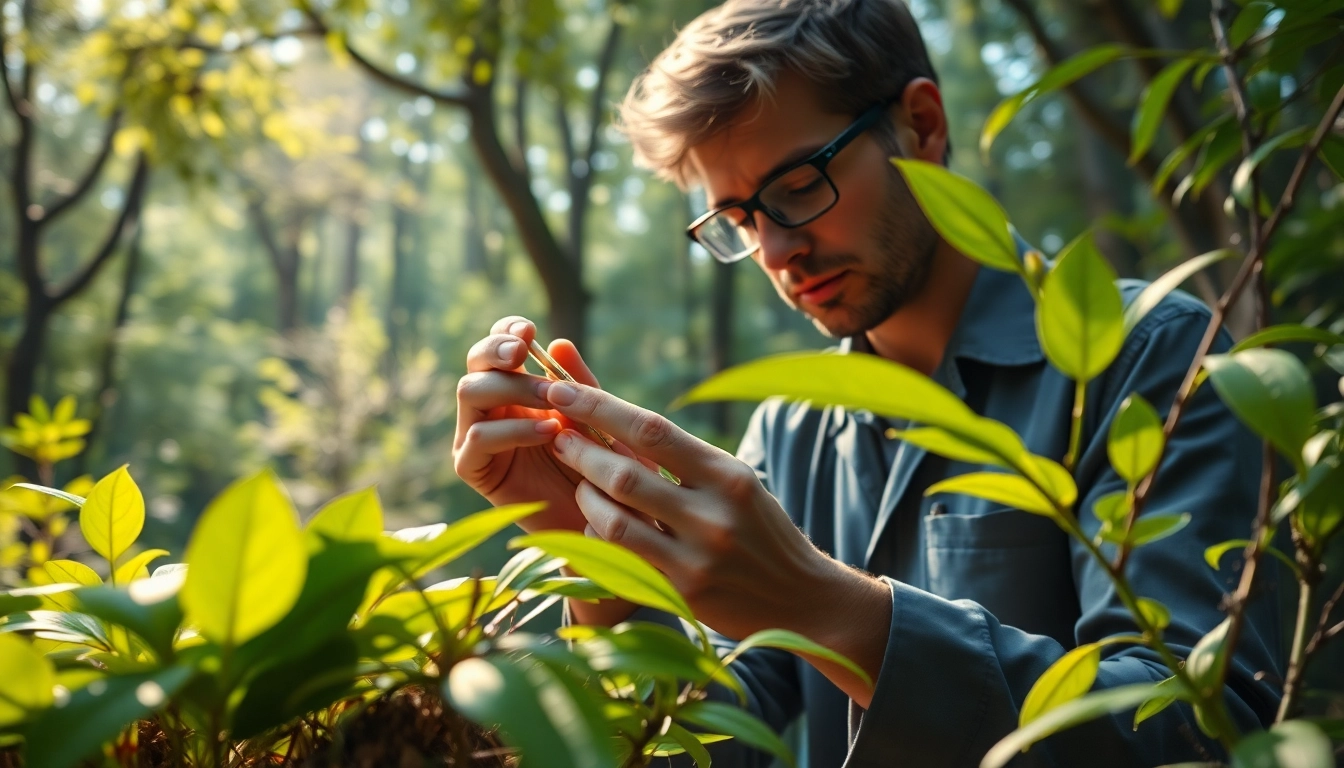
DMT naturally occurs in numerous plants around the world, particularly in the Amazon rainforest. Plants such as Mimosa hostilis (also known as jurema), Psychotria viridis, and Diplopterys cabrerana are renowned for their high DMT content. Beyond plant sources, DMT has also been identified in trace amounts in the human body, suggesting it might play a role in natural physiological processes. When considering the means of how to get dmt, understanding these natural sources is crucial for those interested in its extraction, preparation, and consumption.
Legal Considerations Around DMT
The legality of DMT varies significantly by country and jurisdiction. In the United States, for example, DMT is listed as a Schedule I controlled substance, making its manufacture, sale, and possession illegal. However, certain exceptions exist, notably for traditional religious practices, such as those involving ayahuasca—a brew that contains DMT and is used in spiritual ceremonies by indigenous groups. It’s essential for potential users to familiarize themselves with local laws and regulations regarding DMT, as legal ramifications for possession or use can be severe.
Extraction Methods for How to Get DMT Naturally
Acid-Base Extraction Process
The acid-base extraction method is one of the most common techniques used to isolate DMT from plant materials like Mimosa hostilis. This technique involves several systematic steps:
- Preparation: Finely grind the root bark of the plant to increase surface area.
- Acidification: Add an acidic solvent, such as vinegar or hydrochloric acid, and mix thoroughly to enable DMT to form a soluble salt.
- Base Wash: Add a basic substance like sodium hydroxide to convert the salt back into freebase DMT, which is less soluble and can be extracted.
- Solvent Extraction: Introduce a non-polar solvent, such as naphtha, to separate the DMT from the aqueous layer.
- Evaporation: Finally, evaporate the solvent to yield crystalline DMT.
While rewarding, this method requires careful handling of chemical substances and an understanding of safe laboratory practices.
Cold Water Extraction
Cold water extraction is a simpler method that can yield DMT without the use of harsh chemicals. This technique is typically used on leaves of plants like Psychotria viridis. The process involves:
- Soaking: Soak the leaves in cold water for several days, allowing the DMT to leach into the water.
- Filtration: Strain the plant material from the liquid using a fine mesh or coffee filter.
- Concentration: Slowly evaporate the water, leaving behind a concentrated DMT solution, which may be further evaporated to yield a solid.
This method requires no toxic solvents, making it a safer choice, but it may yield lower quantities of DMT compared to the acid-base method.
Using Home Gardens for DMT Plants
Growing DMT-containing plants at home can provide a sustainable personal source of the compound. Mimosa hostilis and Psychotria viridis can be cultivated in suitable climates, offering a natural alternative for enthusiasts interested in extracting DMT for personal use. When exploring how to get dmt from your home garden, consider the following tips:
- Seed Selection: Acquire high-quality seeds or cuttings from reputable sources to ensure healthy plant growth.
- Soil Quality: Use nutrient-rich, well-draining soil and opt for organic fertilizers to promote healthy plant development.
- Environmental Care: Ensure proper sunlight, humidity, and watering conditions to help your plants thrive.
- Harvesting: Be aware of the best times to harvest your plants for optimal DMT content.
With proper care, these plants can flourish, allowing for a personal journey into the world of DMT.
Effects and Benefits of DMT
Psychological Benefits of DMT Use
DMT has garnered attention for its potential psychological benefits, which may extend beyond recreational use. Anecdotal evidence suggests that DMT experiences can lead to:
- Enhanced Creativity: Users often report heightened creativity and new perspectives on problems.
- Improved Mood: Individuals may experience a significant uplift in mood, with reduced depressive symptoms following DMT use.
- Spiritual Insights: Many find a deep spiritual connection or understanding of themselves and the universe.
- Therapeutic Effects: Some researchers are evaluating the potential for DMT as a treatment for various mental health issues, including PTSD and anxiety.
While research is ongoing, initial findings indicate that DMT can catalyze profound personal transformation in some users.
Potential Risks and Side Effects
Despite its potential benefits, DMT carries certain risks and side effects that users should be aware of. These can include:
- Visual Distortions: Intense visual hallucinations may lead to disorientation or confusion.
- Psychoactive Effects: The powerful psychoactive nature of DMT can be overwhelming for some individuals, leading to anxiety or panic attacks.
- Physical Effects: Users may experience nausea, increased heart rate, or other physical symptoms.
It is vital that users approach DMT with caution, particularly regarding dosage and setting. Safe environments and proper mental preparation are essential to ensure a positive experience.
Using DMT Safely
To minimize risks and enhance the benefits of DMT, users should consider the following safety practices:
- Set and Setting: Choose a comfortable, safe environment and remain in a positive mental state before use.
- Start Low: Beginners should start with a low dose to gauge their sensitivity to the substance.
- Use a Trusted Source: Whether extracting from natural sources or purchasing, ensure the DMT is sourced responsibly and ethically.
- Seek Support: Having a trusted, sober friend to support you during the experience can enhance safety.
Reducing the Stigma Around DMT
Historical Uses of DMT
DMT is not new; it has been used for centuries across various cultures, particularly in the Amazon basin. Indigenous tribes utilized DMT through ayahuasca, a brew made from DMT-rich plants, for spiritual and healing purposes. These historical uses highlight the importance of DMT in cultural practices, deeply rooted in community and spirituality, and serve as a foundation for contemporary discussions on its potential therapeutic applications.
Public Perceptions of Hallucinogens
Public perception of DMT and other hallucinogens has evolved, particularly as scientific research begins to explore their therapeutic benefits. Historically associated with counterculture and illegal use, hallucinogens are gaining attention for their potential to unlock mental health treatment pathways. Advocacy for responsible use and education about the effects can help dispel myths and reduce stigma associated with psychedelics, promoting a more open dialogue surrounding mental health approaches.
DMT in Modern Therapy
The resurgence of interest in psychedelic therapy has led researchers to investigate DMT’s potential use in treating various mental health issues. Early studies suggest that DMT may induce profound therapeutic experiences that result in lasting psychological benefits. As more clinical studies emerge, the potential for DMT to play a role in therapeutic frameworks and treatment for disorders such as depression and addiction is becoming a focal point of modern psychology.
Frequently Asked Questions About DMT
What are the natural versions of DMT?
The natural versions of DMT include plant sources such as Mimosa hostilis, Psychotria viridis, and Diplopterys cabrerana. Each of these plants can provide a naturally occurring form of DMT.
Is it legal to extract DMT?
The legal status of extracting DMT varies by location. In many countries, it is illegal to extract or possess DMT. Always check local laws before extraction or use.
Can I grow DMT-containing plants at home?
Yes, you can grow certain DMT-containing plants, like Mimosa hostilis and Psychotria viridis, at home, provided you adhere to local laws regarding their cultivation.
What are the effects of DMT on the mind?
DMT produces intense visual and auditory hallucinations, a profound alteration of consciousness, and altered perception of time and space. Subjective experiences can vary widely.
How do people use DMT responsibly?
Using DMT responsibly involves understanding dosage, preparing a safe environment, having a sober guide, and being in a positive mental state to enhance the experience while minimizing risks.