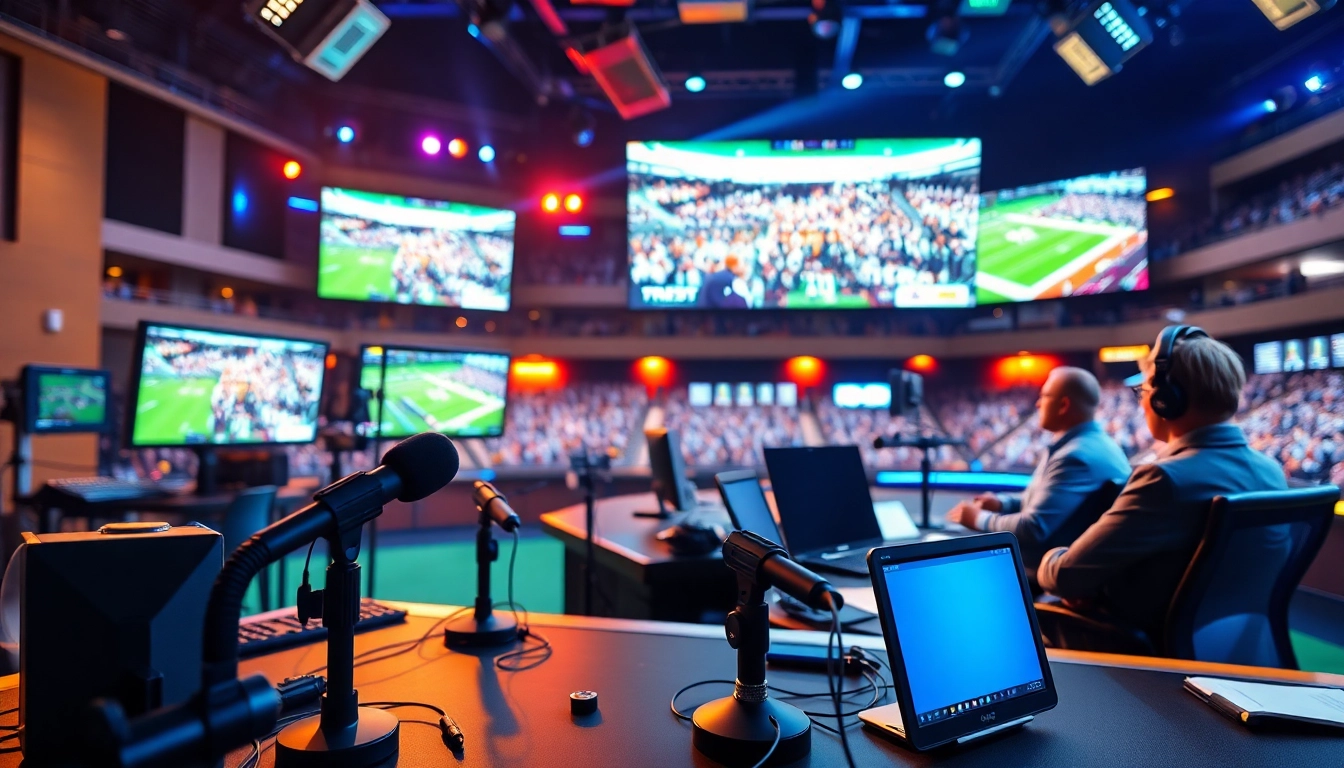
Understanding the Basics of Sports Broadcasting
Definition and Importance of Sports Broadcasting
Sports Broadcasting refers to the live or recorded transmission of sporting events and related content to an audience via various media platforms. It plays a critical role in connecting fans with their favorite sports, athletes, and teams, providing entertainment, updates, and commentary. With the increasing popularity of sports around the globe, Sports Broadcasting has become integral to the sports ecosystem, affecting everything from sponsorship deals to fan engagement.
Key Players in the Sports Broadcasting Industry
The sports broadcasting industry comprises several key players, each fulfilling unique roles that together ensure the success of live sporting events. The primary players include:
- Networks and Streaming Services: Traditional television networks and emerging streaming services are the backbone of sports broadcasting, providing platforms to air events live or on-demand.
- Content Producers: Sports teams and leagues often have dedicated teams to produce content that enhances the viewing experience, including pre-game shows, interviews, and analyses.
- Advertisers and Sponsors: Brands leverage sports broadcasts to reach a targeted demographic, ensuring significant revenue through advertisements and sponsorships.
- Audience: The viewers themselves are crucial, as their engagement levels dictate the success of broadcasts and the viability of associated business models.
Technological Advancements Influencing Sports Broadcasting
As technology evolves, so does the landscape of sports broadcasting. Significant advancements include:
- High-Definition Streaming: Enhanced picture quality provides viewers with a more immersive experience while watching games.
- Virtual Reality (VR) and Augmented Reality (AR): These technologies allow fans to experience games from different perspectives or interact with 3D representations of athletes and gameplay.
- Mobile Streaming: The rise of smartphones has made it easier for fans to watch live events on-the-go, increasing audience reach.
- Data Analytics: Broadcasters are using analytics to tailor content and advertisements to specific audience segments.
Best Practices for Effective Sports Broadcasting
Preparing for Live Sports Events
Effective preparation is vital for delivering high-quality sports broadcasts. Key steps include:
- Pre-Game Planning: Coordinate with event organizers, teams, and other stakeholders to ensure all aspects of the broadcast are in place.
- Technical Setup: Conduct technical tests to ensure all equipment is functioning correctly, including cameras, sound systems, and broadcasting software.
- Content Creation: Develop engaging content such as storylines, player interviews, and statistical analyses prior to the event.
Cultivating Your Audience Engagement Strategies
Audience engagement is essential for enhancing viewer experience and loyalty. Techniques include:
- Interactive Polls and Quizzes: Engage viewers in real-time by incorporating polls and quizzes during broadcasts.
- Live Chat Features: Facilitate live discussions among viewers via chat features, allowing them to share their thoughts and reactions.
- Post-Event Analysis: Provide insightful discussions and analyses after events to keep audiences invested and informed.
Utilizing Social Media in Sports Broadcasting
Social media platforms offer tremendous potential for enhancing visibility and interaction. Efficient strategies include:
- Real-Time Updates: Use platforms like Twitter and Instagram for live updates and highlights during games.
- Behind-the-Scenes Content: Share exclusive behind-the-scenes content to foster a deeper connection with the audience.
- Fan-Driven Content: Encourage fans to share their experiences, which can be highlighted in subsequent broadcasts.
Challenges Faced in Sports Broadcasting
Navigating Copyright and Licensing Issues
One of the most significant challenges faced by broadcasters is adhering to copyright and licensing regulations. These legalities dictate how and when content can be used, introducing complexities that can lead to disputes. Broadcasters must ensure they have the appropriate rights to air events and may need to negotiate contracts with leagues and teams regularly.
Adapting to Rapid Technological Changes
The swift pace of technological advancement can be a double-edged sword. While new technology presents opportunities for enhanced broadcasts, it also requires continual learning and adaptation. Broadcasters must stay current with trends, investing in new tools and platforms while ensuring their teams are well-trained in their use.
Addressing Audience Expectations and Feedback
With the evolving media landscape, audience expectations regarding content quality and interactivity continue to rise. Broadcasters must actively seek audience feedback to understand preferences, using this data to improve future broadcasts. Failing to meet these expectations can result in audience attrition, undermining the broadcaster’s market position.
Innovations Shaping the Future of Sports Broadcasting
Emergence of Streaming Services
The rise of streaming services has significantly disrupted traditional broadcasting models. These platforms provide flexibility and often have fewer geographical restrictions, allowing viewers to access sports content anytime and anywhere. Thus, traditional broadcasters are increasingly adapting their strategies to include streaming options, often opting for hybrid models that merge traditional and digital platforms to reach broader audiences.
The Role of AI and Data Analytics
Artificial Intelligence is transforming the sports broadcasting landscape, providing broadcasters with tools for data analysis and viewer engagement. By analyzing viewing patterns, broadcasters can tailor marketing strategies, enhance content delivery, and offer personalized experiences to viewers. Furthermore, AI-driven analysis can enhance real-time commentary, enabling richer storytelling.
Virtual and Augmented Reality Applications
VR and AR technologies are revolutionizing the way fans experience sports. Through these technologies, audiences can immerse themselves in the event from the comfort of their homes, enjoying presentations that make them feel like they are part of the action. Broadcasters experimenting with these technologies are likely to attract a more engaged audience, fostering loyalty and interest in their content.
Measuring Success in Sports Broadcasting
Key Performance Indicators for Broadcasters
Measuring success in sports broadcasting involves monitoring specific Key Performance Indicators (KPIs) including:
- Viewership Metrics: Total viewers, average watch time, and peak viewership are crucial metrics to assess audience engagement and retention.
- Advertising Revenue: Total revenue generated from advertisements can indicate the financial success of broadcasts.
- Social Media Engagement: Likes, shares, and comments on social media platforms reflect audience interaction and perception.
Analyzing Audience Metrics and Feedback
Understanding audience metrics is not only about collecting data; it is about interpreting it to drive actionable insights. Broadcasters should regularly review viewer demographics, behavior, and preferences to develop strategies tailored to their target audiences. This can result in optimized content delivery, enhancing viewer satisfaction and loyalty.
Adjusting Strategies Based on Performance Data
Lastly, it is imperative for broadcasters to remain agile, adjusting their strategies based on performance data. Utilizing insights to tweak content, engagement techniques, or marketing approaches ensures that broadcasters remain relevant and effective at reaching their audiences effectively. This adaptability can be the key differentiator amid a competitive broadcasting landscape.
Frequently Asked Questions
What is Sports Broadcasting?
Sports Broadcasting is the transmission of sporting events through various media, such as television and online platforms, connecting fans with live sports experiences.
Why is Audience Engagement Important in Sports Broadcasting?
Audience engagement enhances viewer loyalty, enriches the viewing experience, and can lead to increased revenue through advertising and sponsorships.
How Do Streaming Services Affect Traditional Sports Broadcasting?
Streaming services provide flexible access to sports content, compelling traditional broadcasters to adapt by incorporating digital offerings for wider reach.
What Role Does Technology Play in Sports Broadcasting?
Technology enhances the quality, accessibility, and interactivity of broadcasts, significantly shaping how audiences consume sports content now and in the future.
How Can Broadcasters Measure Their Success?
Success can be measured through KPIs like viewership metrics, advertising revenue, and social media engagement, helping broadcasters optimize their strategies.