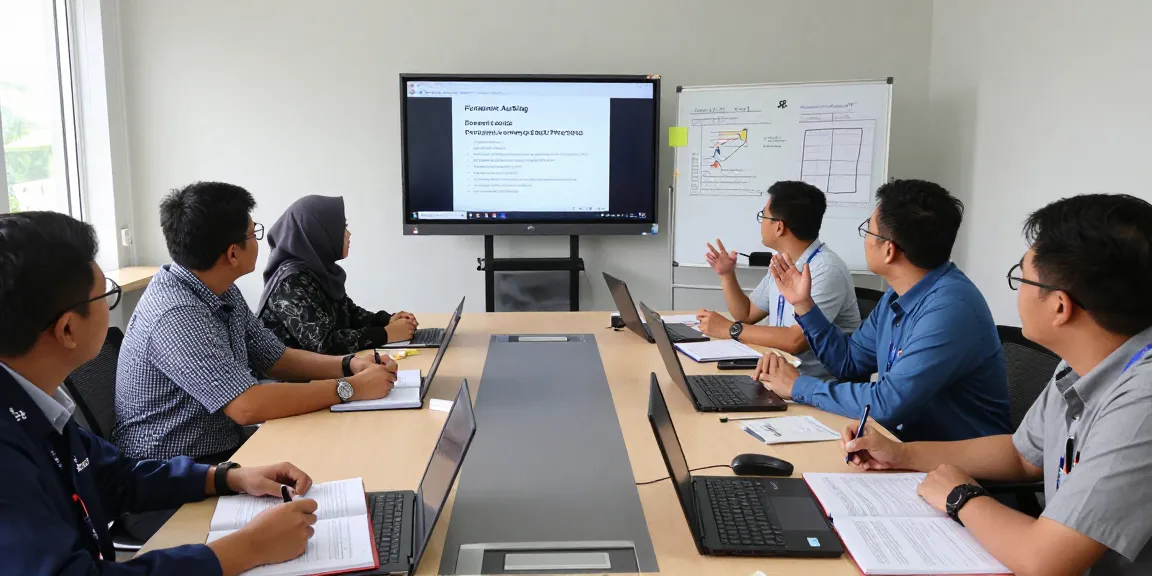
Understanding the Role of a Website Development Agency
In today's digital world, having an effective online presence is not just a luxury; it's a necessity. A website development agency plays a pivotal role in crafting that presence, ensuring businesses can connect with customers in the most efficient way. Whether it’s building a new website, redesigning an existing one, or integrating new functionalities, a dedicated agency is equipped to handle all facets of web development.
What Does a Website Development Agency Do?
A website development agency is specialized in creating, maintaining, and enhancing websites. Their primary responsibilities include the following:
- Website Design: Crafting the visual layout and user interface of a site that aligns with brand standards and enhances user experience.
- Development: Using coding languages and frameworks to bring designs to life, building sites that are functional and scalable.
- Maintenance: Offering ongoing support, updates, and troubleshooting to keep the website running smoothly post-launch.
- SEO Optimization: Integrating search engine optimization practices to ensure that the website ranks well and attracts organic traffic.
- Consulting: Advising businesses on best practices in online strategy, usability, and technology trends.
Key Services Offered by a Website Development Agency
Different agencies may offer varying service packages, but a typical website development agency provides a range of services, including:
- Custom Website Development: Building tailored websites based on specific business needs and goals.
- E-commerce Solutions: Developing online stores with secure payment gateways, inventory management, and customer support functionalities.
- Content Management Systems (CMS): Implementing platforms like WordPress, Joomla, or Drupal, allowing clients to manage their content easily.
- Mobile Optimization: Ensuring website usability and aesthetic appeal on mobile devices, enhancing accessibility for all users.
- Security Features: Setting up security measures to protect websites from vulnerabilities and cyber threats.
Why Choose a Specialized Agency?
Opting for a specialized agency over freelancers or in-house development teams brings several advantages:
- Expertise: Specialized agencies possess a deep understanding of the latest web technologies and trends, ensuring high-quality outcomes.
- Resources: They offer a wider range of resources and tools, thanks to having a diverse team of experts in various fields of web development.
- Reliability: Established agencies provide trusted support and consistent results, which is crucial for business reputation.
- Scalability: They can manage projects of any size, accommodating the growing needs of businesses as they expand.
- Comprehensive Service: A complete range of services allows businesses to make all web-related decisions under one roof, streamlining processes.
Choosing the Right Website Development Agency
Finding the right website development agency can significantly impact your online success. It's essential to consider various factors when making your decision.
Evaluating Agency Qualifications and Experience
When looking for a website development agency, it's crucial to assess their qualifications and track record:
- Certifications: Look for agencies that are certified in important technologies or methodologies, ensuring quality and professionalism.
- Industry Experience: Choose an agency that has relevant experience in your industry—this often leads to a better understanding of your needs.
- Client Testimonials: Reviews and testimonials from previous clients can give insight into the agency's reliability and service quality.
Assessing Portfolio and Case Studies
A well-curated portfolio can provide insight into an agency’s capabilities:
- Project Diversity: Examine the range of projects to see if they can handle your specific requirements.
- Design Quality: Evaluate the aesthetics and functionality of the websites showcased; they should reflect the desired quality you’re aiming for.
- Case Studies: Detailed case studies can reveal how agencies approach problem-solving and project execution.
Understanding Pricing Structures
Understanding pricing is key to setting a budget for your website development project:
- Transparent Pricing: Look for agencies that clearly outline their pricing models, avoiding hidden fees.
- Flexible Packages: Consider agencies that offer customizable packages to suit different budgets and needs.
- Value for Money: Balance expert service quality with cost; the cheapest option may not always deliver the best results.
Effective Collaboration with Your Website Development Agency
Collaboration is essential for effective project outcomes. Establishing a solid working relationship with your agency can lead to better results.
Setting Clear Goals and Expectations
At the outset, it’s crucial to have clarity on what you want to achieve:
- Define Objectives: Outline specific goals, such as increasing online sales or enhancing user engagement.
- Target Audience: Clearly communicate your target demographic so that the agency designs with end-users in mind.
- Timeline: Set realistic deadlines and milestones to keep the project on track.
Maintaining Open Lines of Communication
Effective communication fosters collaboration and ensures everyone is on the same page:
- Regular Check-Ins: Schedule weekly or bi-weekly meetings to assess progress and address questions.
- Dedicated Point of Contact: Designate a liaison from both sides to streamline communication and decision-making.
- Use Project Management Tools: Leverage tools like Trello or Asana for tracking project developments in real-time.
Reviewing Progress and Providing Feedback
Timely feedback is essential for refining outputs and meeting project goals:
- Structured Reviews: Schedule formal reviews of deliverables at various stages to provide constructive feedback.
- Be Specific: Give clear, actionable feedback to guide the agency’s improvements effectively.
- Encourage Iteration: Welcome a process of iteration, which allows for adjustments based on feedback.
Best Practices for Successful Website Development
Implementing best practices in website development enhances functionality, user experience, and overall effectiveness.
Utilizing User-Centered Design Principles
Design should always focus on the user:
- Research User Needs: Conduct user research to understand preferences and behaviors.
- Prototype Testing: Use prototypes to test usability before full-scale development.
- Gather Feedback: Continuously collect user feedback to refine design and functionality.
Incorporating SEO Strategies
SEO should be ingrained in the development process from the start:
- Keyword Research: Identify and use relevant keywords to optimize content.
- Meta Tags: Use descriptive and keyword-rich meta tags for better search engine visibility.
- Mobile Optimization: Ensure the website is mobile-friendly, as search engines favor responsive designs.
Ensuring Responsive and Accessible Design
Creating inclusive designs enhances user experience for everyone:
- Responsive Design: Use fluid grids and flexible images to adapt to various screen sizes.
- Accessibility Standards: Follow WCAG guidelines to make your website usable for individuals with disabilities.
- User Testing: Test with diverse user groups to identify roadblocks in access and usability.
Measuring Success: Performance Metrics
Monitoring performance is critical in adjusting strategies and optimizing outcomes. Key metrics provide insights into how well your website is performing.
Key Performance Indicators for Websites
Identify relevant KPIs to measure effectiveness:
- Traffic Sources: Analyze where visitors are coming from to refine marketing strategies.
- Conversion Rates: Track the percentage of visitors completing desired actions, such as purchases or sign-ups.
- Bounce Rate: Monitor how often visitors leave the site after viewing only one page, indicating content relevance.
Using Analytics Tools to Track Progress
Leverage analytics tools to derive insights:
- Google Analytics: Utilize this tool to track user behavior, traffic, and conversion rates.
- A/B Testing: Experiment with different versions of a webpage to determine which performs better.
- Heatmaps: Analyze heatmaps to understand user interaction and adjust designs accordingly.
Adjusting Strategies Based on Data Insights
Data-driven decisions lead to continuous improvement:
- Regular Review: Frequently assess performance metrics to make informed changes.
- Iterate Designs: Modify website elements based on user feedback and performance data.
- Refine SEO Practices: Optimize content and structure regularly based on keyword performance analysis.
Frequently Asked Questions
1. What is the difference between a web designer and a web developer?
A web designer focuses on the aesthetic and usability aspects of a website, while a web developer deals with the technical aspects, such as coding and functionality.
2. How long does it take to develop a website?
The timeline for developing a website can vary significantly based on its complexity, typically ranging from a few weeks to several months.
3. What is responsive web design?
Responsive web design ensures that a website's layout adapts seamlessly to different screen sizes, enhancing usability across devices.
4. Do I need to maintain my website after it's live?
Yes, regular maintenance is essential to ensure security, update content, fix bugs, and improve user experience over time.
5. What are the costs associated with website development?
Costs can vary widely based on the scope of the project, with factors like design complexity, features, and ongoing maintenance affecting the total expenditure.