Understanding Bug Sweeping
What is Bug Sweeping?
Bug sweeping refers to the process of detecting and eliminating hidden listening devices, cameras, and other surveillance equipment that may be monitoring your conversations or activities without your consent. This practice is crucial for individuals, businesses, and organizations seeking to protect their privacy and sensitive information. The term "bug" originates from the use of microphones placed covertly in spaces to "bug" conversations. Bug sweeping utilizes a variety of specialized tools and techniques to ensure that such devices are identified and removed.
The Importance of Bug Sweeping
Protecting one’s privacy is of utmost importance in today’s interconnected world. Bug sweeping is essential for multiple reasons:
- Privacy Protection: Unauthorized surveillance infringes on personal rights and can lead to breaches of confidentiality.
- Data Security: Businesses are at risk of losing sensitive data that can be exploited by competitors or malicious entities.
- Trust Maintenance: Maintaining a secure environment fosters trust in personal and professional relationships.
Given the rising instances of corporate espionage and privacy invasions, incorporating bug sweeping into regular security protocols is becoming increasingly crucial.
Common Misconceptions about Bug Sweeping
Several myths surrounding bug sweeping can deter individuals from utilizing these essential services:
- Only for High-Risk Individuals: Many believe that bug sweeping is only necessary for public figures or corporate executives, but anyone can be a target.
- Too Costly: While professional bug sweeping services may seem expensive, the cost of a breach can be far greater.
- Limited Effectiveness: Some think that bug sweeping is ineffective, but when done with the right tools by trained professionals, it can significantly enhance privacy.
Tools and Techniques for Bug Sweeping
Essential Equipment for Effective Bug Sweeping
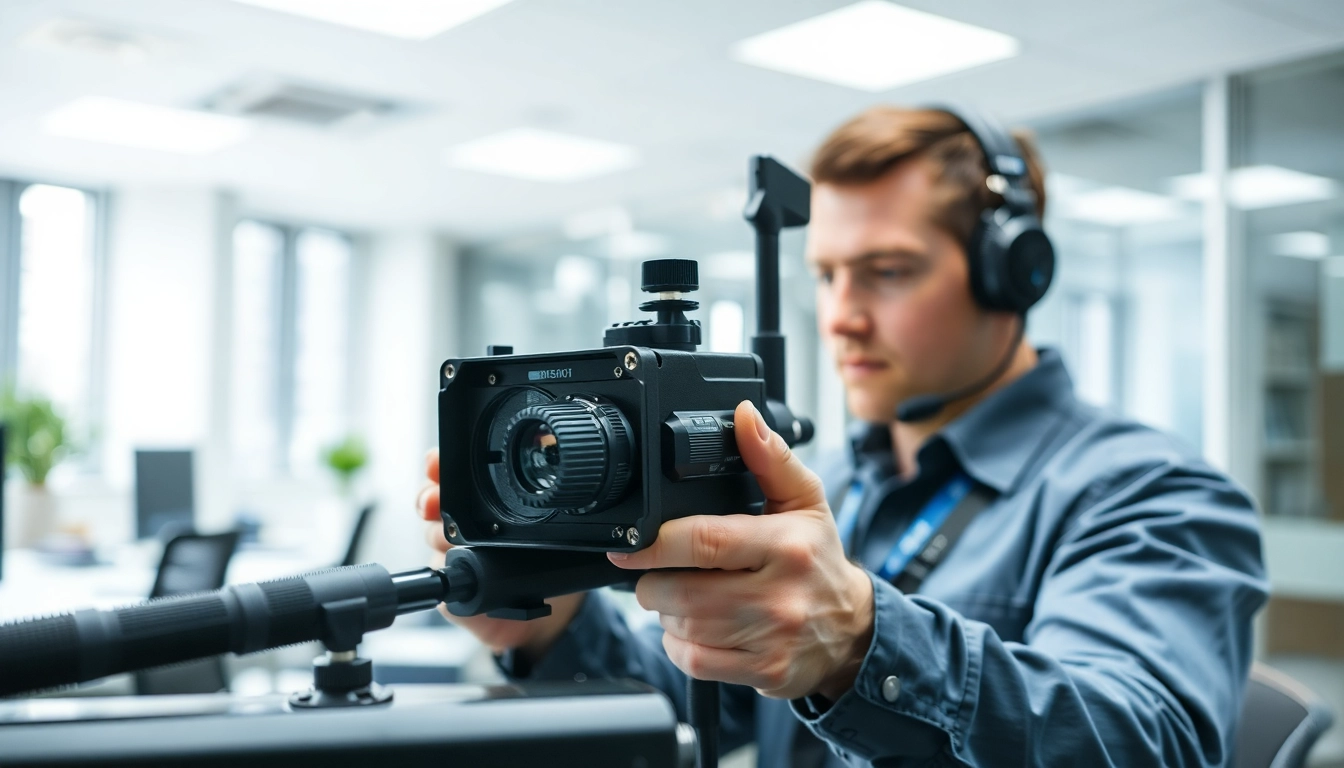
Effective bug sweeping requires specialized tools designed to detect various types of surveillance devices. Here are some essential pieces of equipment:
- RF Detectors: These devices scan for radio frequencies that may indicate the presence of wireless surveillance equipment.
- Camera Lens Detectors: These are used to identify hidden cameras by detecting reflections from lenses.
- Thermal Imaging Cameras: These devices can locate electronic devices by detecting the heat they emit.
- Signal Jammers: While their use is controversial, jammers can temporarily disable certain types of surveillance devices.
Techniques Used by Professionals
Trained professionals adopt various methods for effective bug sweeping, including:
- Physical Inspections: Conducting thorough inspections of floors, walls, and furnishings for suspicious devices.
- Signal Detection: Using specialized equipment to identify and locate sources of signals.
- Environmental Surveillance: Observing areas for unusual behavior or signs that may suggest surveillance.
- Expert Consultation: Collaborating with cybersecurity professionals for comprehensive assessments.
DIY Bug Sweeping Tips
While professional services are recommended for thorough inspections, individuals may conduct basic bug sweeping themselves. Here are some useful tips:
- Increase Your Awareness: Familiarize yourself with the types of devices and where they are likely to be hidden.
- Visual Inspections: Carefully observe your surroundings for any unfamiliar devices or placements.
- Stay Informed: Regularly upgrade your cybersecurity measures, as well as your knowledge on surveillance methods.
- Use Applications: Some smartphone applications can help detect surveillance devices, although they may not be as effective as professional tools.
When to Consider Professional Bug Sweeping
Signs You Need Professional Bug Sweeping
Recognizing the signs of possible surveillance is the first step toward maintaining your privacy. Here are indicators that suggest you may need professional bug sweeping:
- Unusual Noises: Hearing odd sounds on your phone line or during conversations can be a red flag.
- Data Breaches: Noticing unauthorized access to sensitive information should raise concerns.
- Distrust Among Staff: Increased paranoia or distrust can signal the presence of surveillance.
- Unexplained Technical Issues: Frequent technical malfunctions with devices may suggest interference from monitoring equipment.
The Benefits of Hiring Experts for Bug Sweeping
When faced with potential surveillance risks, hiring professionals provides numerous advantages:
- Experience: Trained experts understand the intricacies of bug sweeping and possess the tools necessary for efficient detection.
- Comprehensive Assessments: Professionals conduct thorough evaluations and provide insights on vulnerabilities.
- Discreet Service: Professional bug sweeping is typically conducted discreetly, maintaining confidentiality.
- Follow-Up Services: Continual assessment can help ensure long-term privacy and security.
What's Included in a Professional Service
Engaging in professional bug sweeping typically includes the following:
- Initial Consultation: A meeting to discuss concerns and outline the process.
- Comprehensive Inspection: A detailed scan of the premises using advanced technology.
- Report of Findings: A thorough documentation of any detected devices along with recommendations.
- Follow-Up Checks: Services may include periodic re-inspections to ensure ongoing security.
Best Practices for Maintaining Privacy
Leverage Technology for Better Security
Utilizing technology can significantly enhance your privacy. Here are a few suggestions:
- Encryption: Use encryption for all sensitive data to minimize risks from unauthorized access.
- Secure Communication: Implement encrypted communication tools for phone calls and messaging.
- Regular Software Updates: Keep all systems updated to protect against vulnerabilities.
Regular Assessments of Your Space
Conducting regular privacy assessments can catch potential breaches before they escalate:
- Scheduled Inspections: Plan periodic bug sweeps and security assessments.
- Access Control: Regularly review and manage who has access to sensitive areas and information.
- Incident Reviews: After any security incidents, conduct assessments to identify vulnerabilities.
Educating Staff on Privacy Measures
Making your workforce aware of privacy measures is essential for protecting sensitive information:
- Workshops: Plan training sessions on privacy and protection from surveillance.
- Clear Protocols: Develop and communicate clear protocols for handling sensitive information.
- Encourage Reporting: Create a culture where staff feels comfortable reporting security concerns.
FAQs about Bug Sweeping
How often should bug sweeping be conducted?
It's recommended to conduct bug sweeping at least annually, or more frequently in high-risk environments.
Can I perform bug sweeping myself?
While DIY methods can help, professional services use specialized equipment for comprehensive detection.
What signs indicate that bug sweeping is necessary?
Unusual noises, unexplained data breaches, or distrust among employees are common signs to consider bug sweeping.
How long does a bug sweeping session take?
The duration can vary; most services take between 1-4 hours depending on the size of the area being inspected.
What types of devices can be detected during bug sweeping?
Bug sweeping can detect hidden cameras, audio recorders, and other electronic surveillance devices.